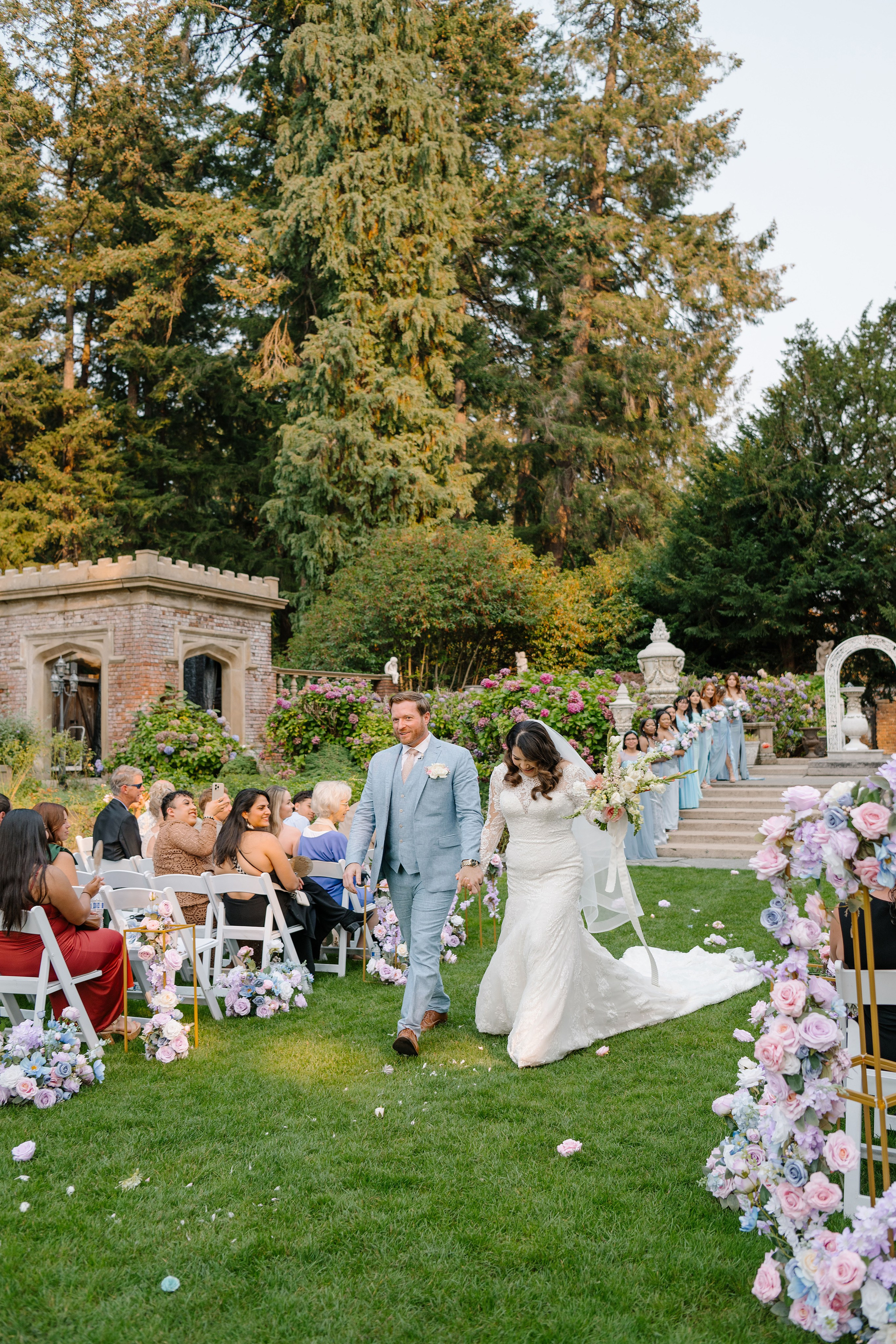
A wedding timeline should support the day, not make it feel like one long photo session. When there is enough time for the photographs that matter, you can stay present with your partner, family, and guests instead of constantly watching the clock.
I have photographed weddings held entirely at one venue and weddings spread across several locations, and no two timelines work exactly the same. Ceremony time, season, travel, wedding party size, family groupings, and whether you choose a first look all affect the plan. The examples below are a starting point, and I adjust them around the day you are actually planning.
WHY A PHOTOGRAPHY TIMELINE MATTERS
A photography timeline is only one part of the larger wedding-day schedule, but it affects almost everything: when details are photographed, how much time we have for portraits, how smoothly family portraits go, and how much of cocktail hour you actually get to enjoy.
When we plan the photography portion early, the whole day usually feels calmer. There is room for hair and makeup to run a little late, for everyone to find their shoes, and for a family member who was definitely here a minute ago to make it back for portraits. A good timeline gives us enough structure to stay on track, even when real life moves things around a little.
START WITH THE FIXED PARTS OF THE DAY
Start with the parts of the day that cannot easily move: the ceremony, dinner, venue access, and the end of photography coverage. From there, I work backward to find the best time for getting ready, a first look, wedding party portraits, and travel between locations.
For weddings in Portland and Vancouver, I also pay close attention to daylight, especially during fall and winter, when sunset can arrive much earlier than people expect. If outdoor portraits are important to you, we will plan them around the available light. Unfortunately, sunset will not wait for us if the schedule starts running behind.
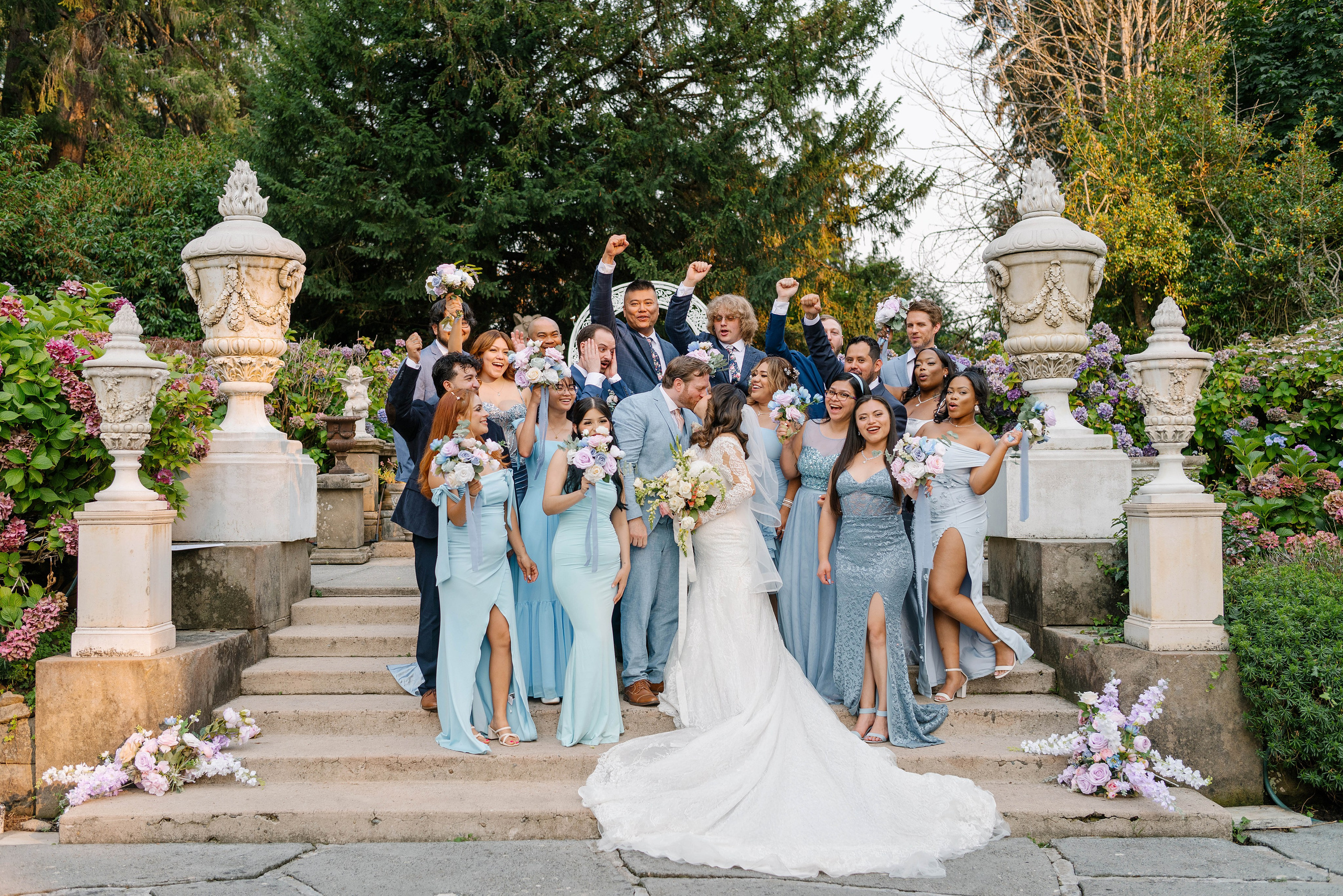
ACCOUNT FOR TRAVEL TIME
If your wedding takes place across multiple locations, travel needs its own place in the timeline. Google Maps only shows driving time. Parking, walking, gathering personal items, and getting everyone into the cars can easily add another 15 to 20 minutes.
Travel is part of your booked photography coverage. A 40-minute drive means 40 fewer minutes for getting ready, portraits, or reception coverage, so I account for it from the beginning.
BUILD IN TIME FOR THE UNEXPECTED
Small delays are normal on a wedding day. Hair and makeup may take longer than planned, flowers may arrive late, a family member may disappear just before portraits, or traffic may slow us down.
I usually recommend a 15 to 30-minute buffer after getting ready or before the ceremony. If everything runs on time, we can use it for touch-ups, a glass of water, photographs of the finished ceremony space, or simply a moment to breathe. If something runs late, the buffer protects your portrait time and ceremony.
Without a buffer, even one small delay can take time away from couple portraits or cause the ceremony to start late.
DECIDE WHETHER A FIRST LOOK IS RIGHT FOR YOU
A first look gives you a private moment together before the ceremony and allows us to complete many of the formal photographs earlier in the day, including couple portraits, the wedding party, and some immediate family portraits. It can make the transition into the ceremony feel more relaxed and leave you with more time to enjoy cocktail hour with your guests.
There is no right answer here. If seeing each other for the first time during the ceremony is important to you, I will build the timeline around that choice. We simply need to leave enough time afterward for couple portraits, the wedding party, and family photographs, usually about 60 to 90 minutes depending on the size of the groups.
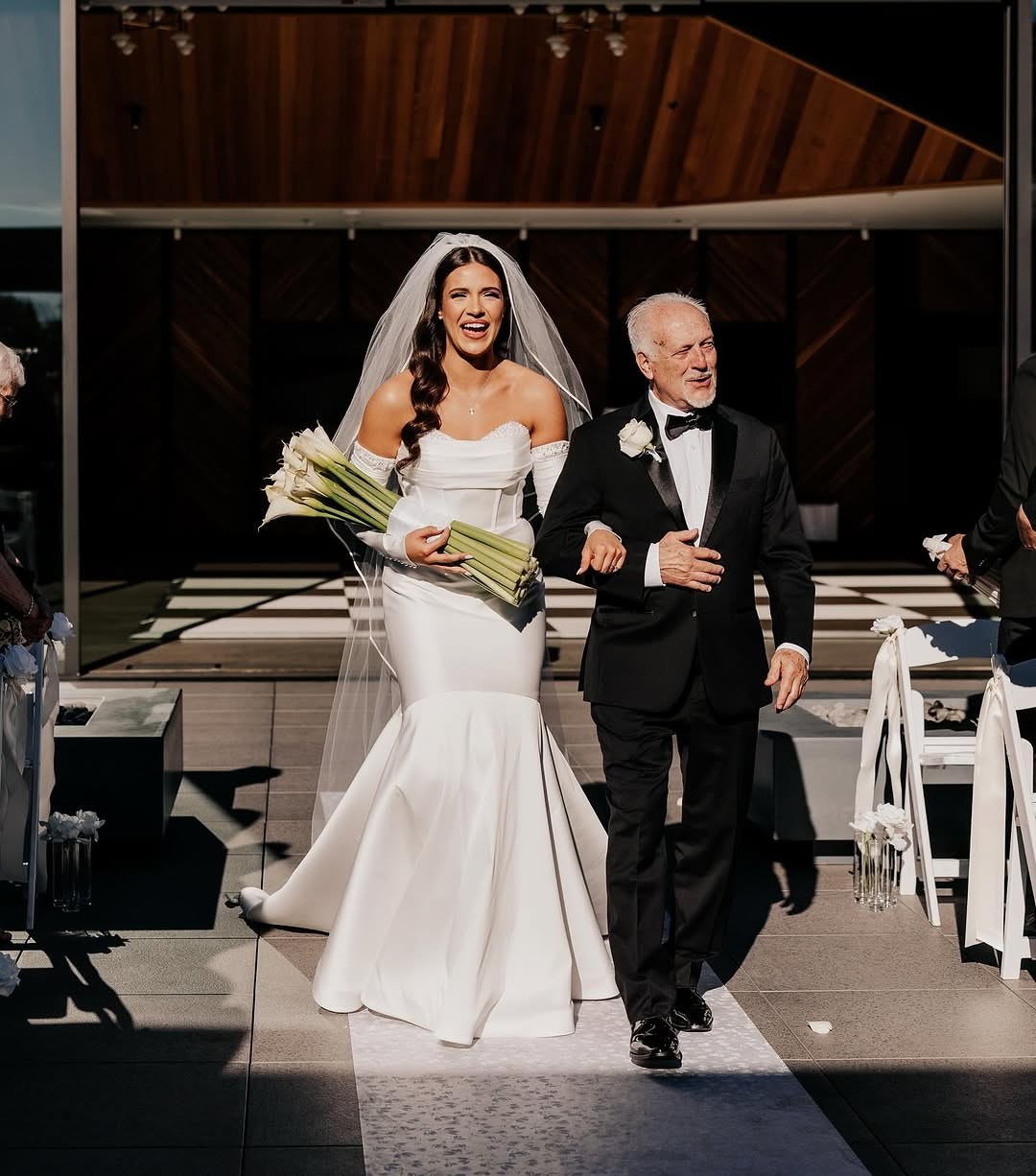
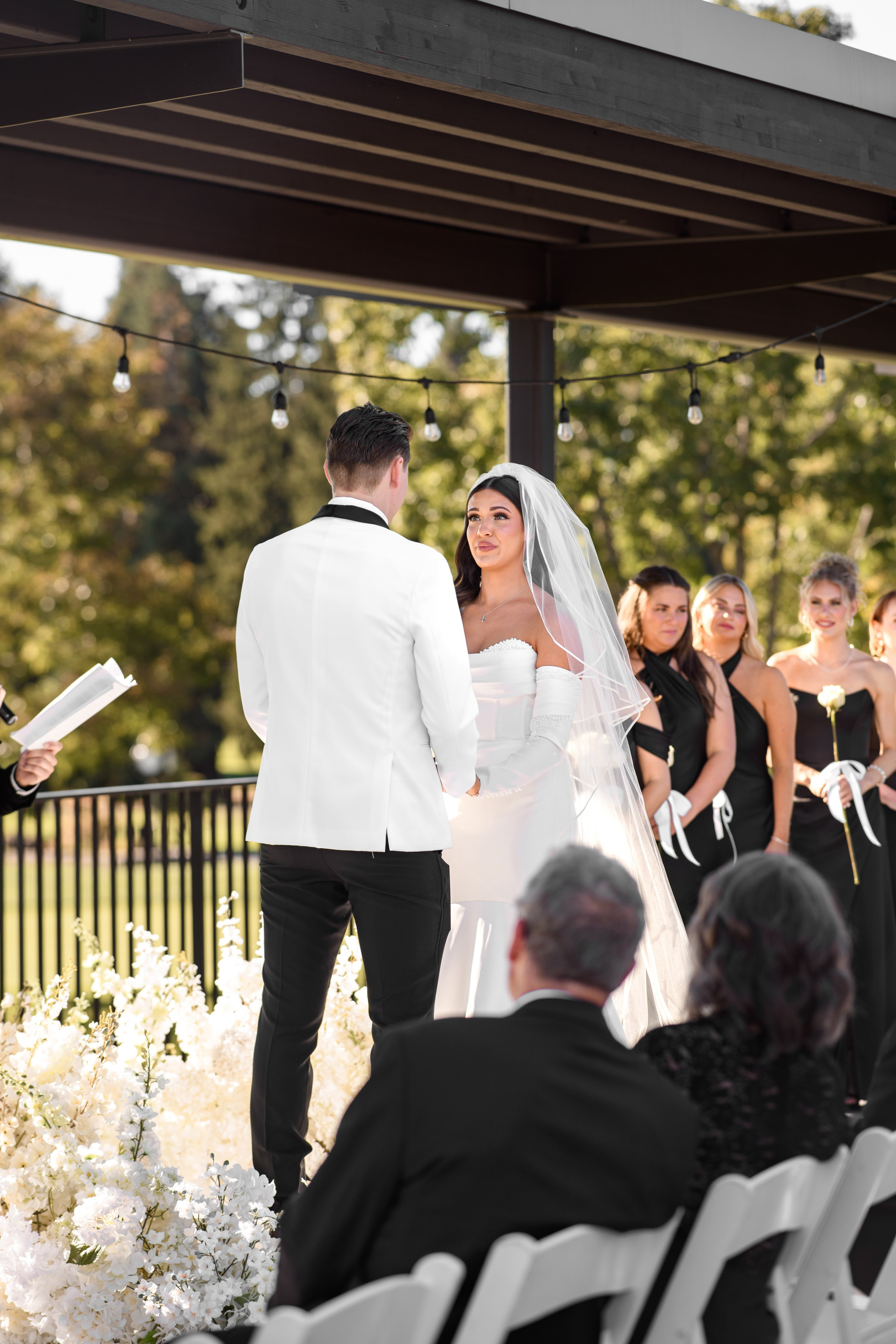
PLAN GETTING READY COVERAGE REALISTICALLY
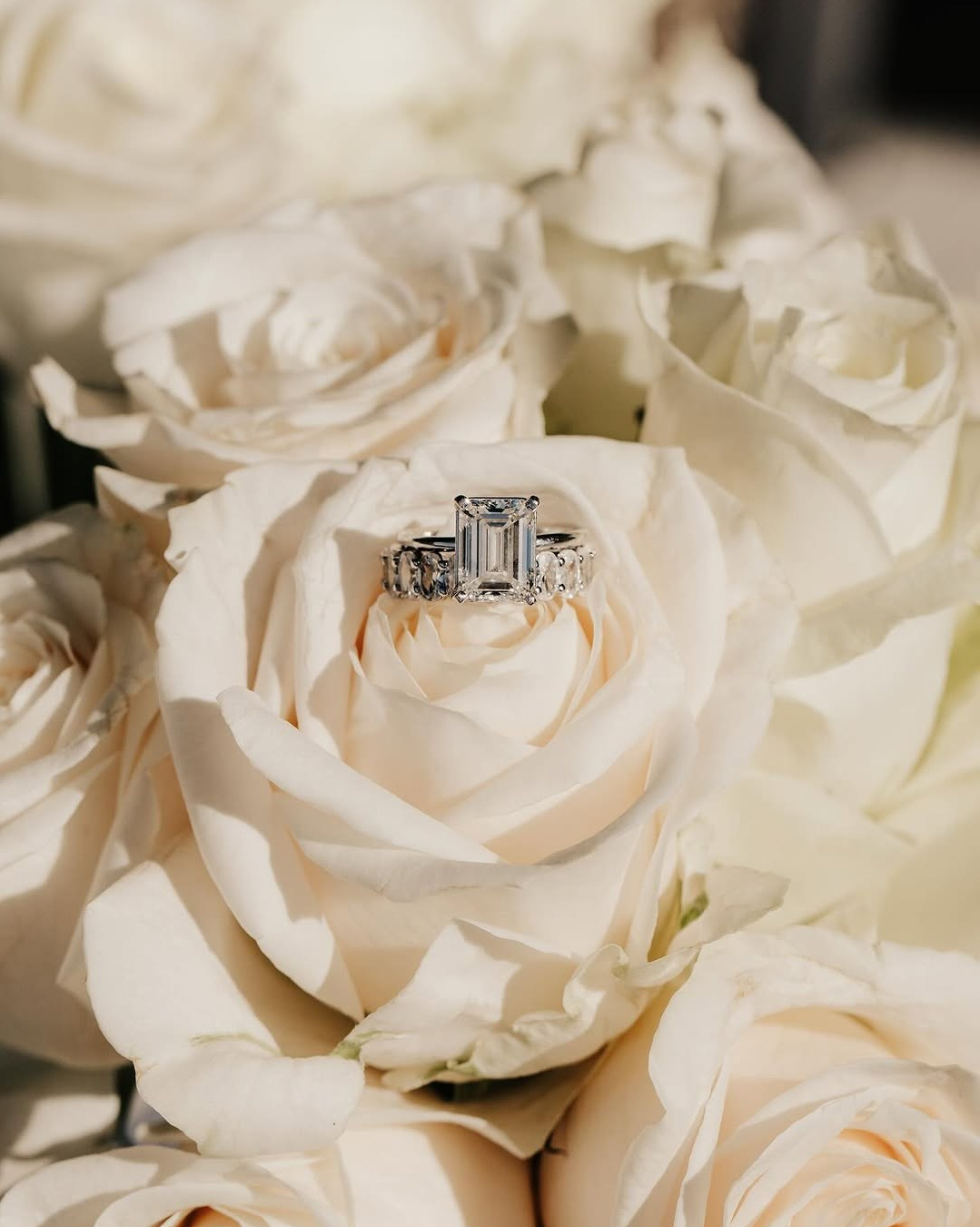
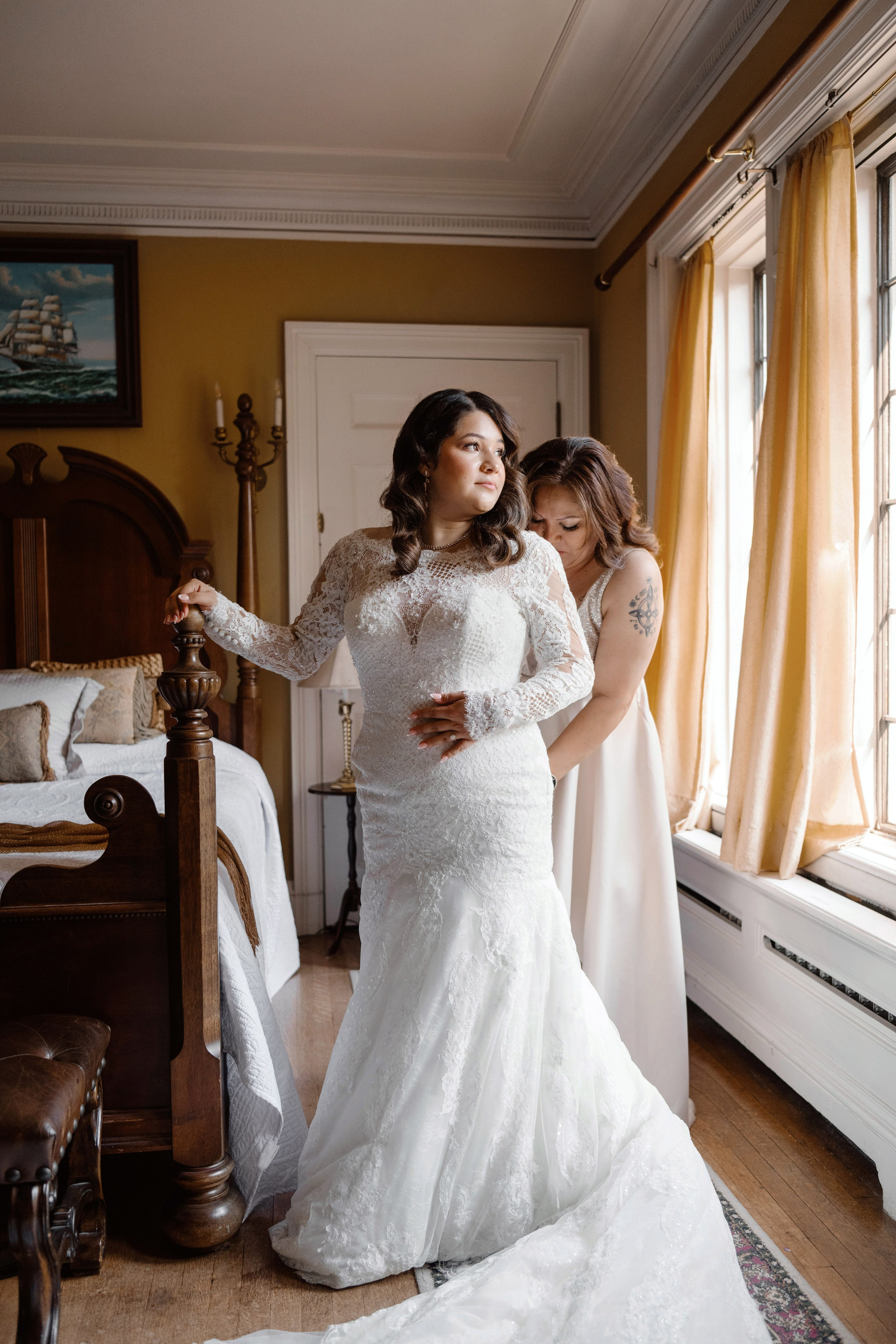
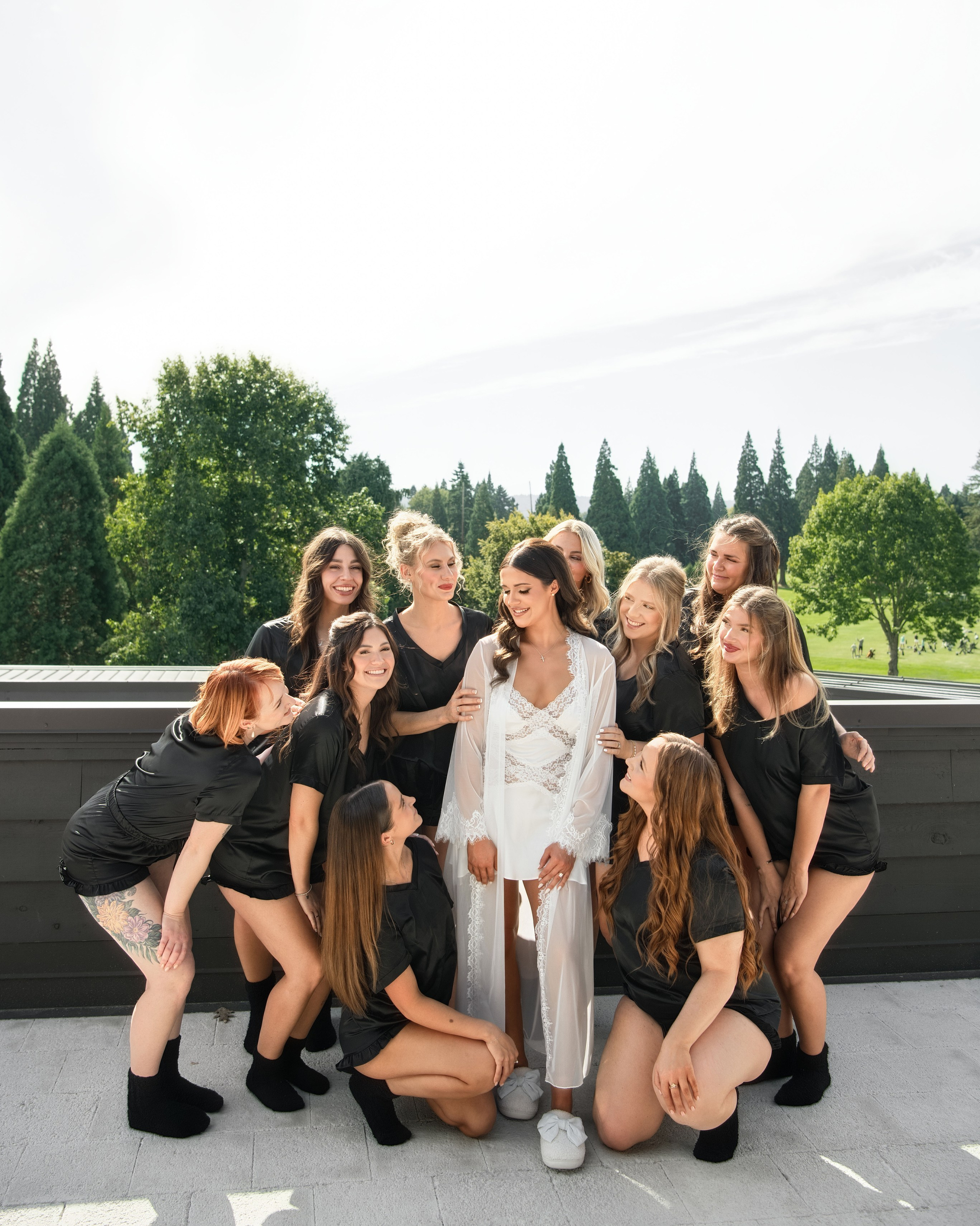
Getting ready photographs are about more than hair and makeup. I use this part of the day to photograph invitations, rings, shoes, perfume, the dress, final touch-ups, getting dressed, and candid moments with the people around you.
For this part of the story to feel relaxed, I recommend allowing 60 to 90 minutes before the first look or portraits. If both partners are getting ready in different locations and you would like both covered, we may need additional time.
KEEP GETTING READY LOCATIONS CLOSE
If I am photographing both partners, keeping the getting-ready locations at the same hotel, at the venue, or within a few minutes of each other saves valuable time. Even locations that look close on a map can involve parking, elevators, walking, and carrying equipment.
If the locations are farther apart, we may need to prioritize one getting-ready story, add more coverage, or include a second photographer.
PREPARE THE SPACE AND DETAILS BEFORE THE PHOTOGRAPHER ARRIVES
The getting-ready space should be clean and organized before I arrive. Ask your wedding party to remove food containers, plastic bags, luggage, loose clothing, and other personal items from the areas where photographs will be taken. Keeping everything in one designated corner, closet, or adjoining room usually works well.
I will photograph the room as it looks when I arrive. I can move a few small distractions, but cleaning and organizing the space are not part of photography coverage. Time spent clearing the room reduces the time available for details, candid moments, and getting dressed, and anything left out may appear in the final photographs.
Gather the items you would like photographed before coverage begins. This may include the invitation suite, rings, jewelry, shoes, perfume, vow books, meaningful heirlooms, and other personal details.
If possible, remove the dress from its shipping box or plastic covering, secure the buttons and clasps, and have a suitable hanger ready. Keeping everything together allows me to begin photographing immediately instead of searching through bags and boxes.
Bouquets and boutonnieres should arrive before portraits begin so they can be included in detail photographs, the first look, wedding party portraits, and couple portraits.
ALLOW ENOUGH TIME FOR PORTRAITS
Portrait time does not need to happen in one long session. It can be divided throughout the day, with wedding party and family photographs completed at one point, couple portraits at another, and a short evening session when the light is especially beautiful.
The times below are general recommendations. Larger families, a large wedding party, multiple locations, or additional requested combinations may require more time.
COUPLE PORTRAITS: 30 TO 45 MINUTES
Allowing at least 30 to 45 minutes gives us time to create a varied set of portraits without repeating the same pose in one location. It also gives you a moment away from the schedule to slow down, connect, and enjoy being together.
You will receive clear direction throughout the session, so you never need to wonder what to do in front of the camera. At the same time, there will be room for natural movement and interaction rather than turning every moment into a pose.
If the main portraits take place earlier in the day, we can also plan a shorter 10 to 15-minute session near sunset.
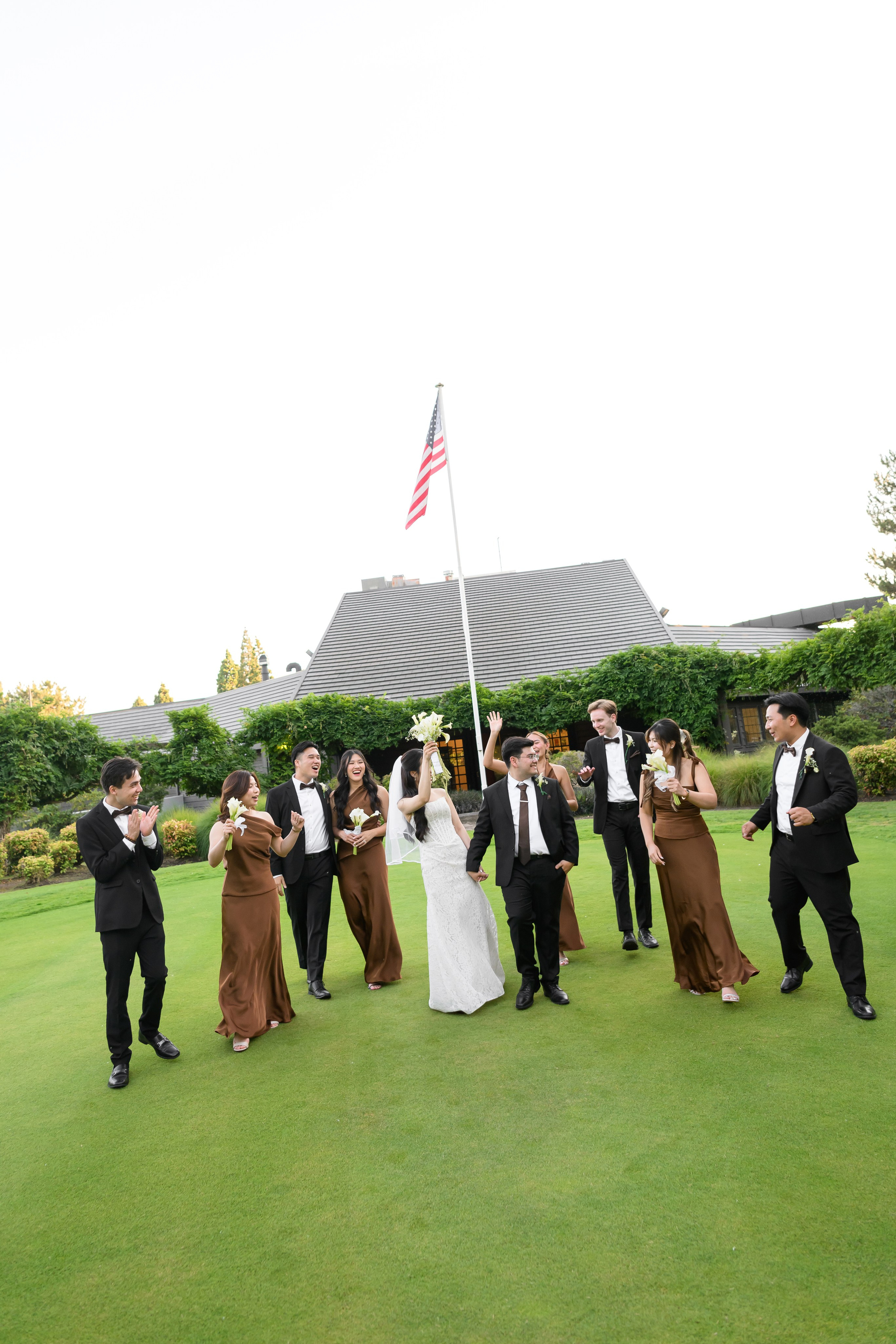
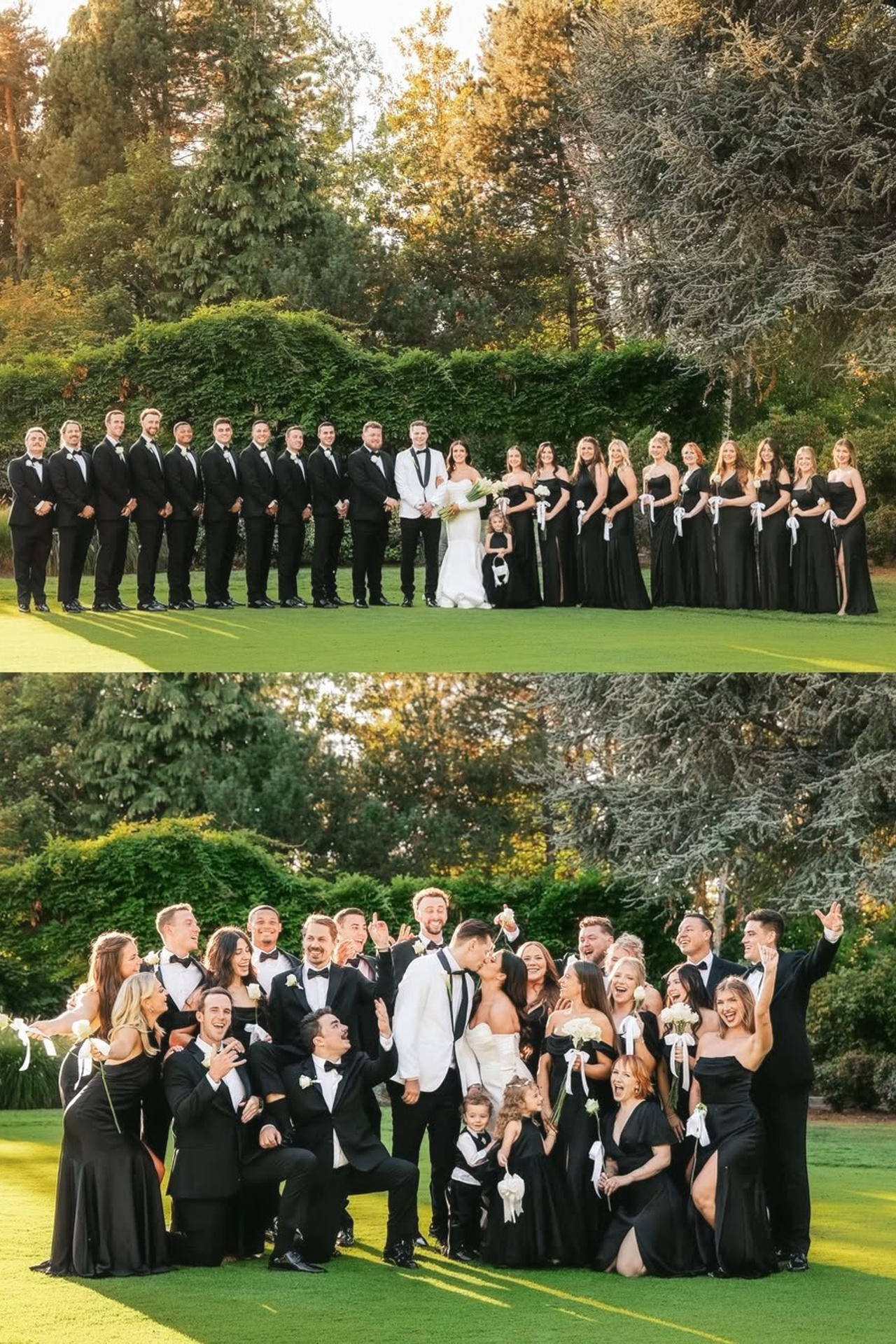
WEDDING PARTY PORTRAITS: 20 TO 30 MINUTES
For a smaller wedding party, approximately 20 minutes may be enough for the full group, each side separately, and a few individual combinations. Larger groups or more requested combinations may require 30 to 45 minutes.
Let everyone involved know exactly when and where they need to be. Having the full wedding party present and ready is what makes this part of the timeline efficient.
FAMILY PORTRAITS: 20 TO 30 MINUTES
Prepare a family photo list before the wedding and include names, not only relationships. A concise list of approximately 10 to 15 groupings can usually be completed within 20 to 30 minutes when everyone is nearby and ready.
Tell each family member in advance that they will be needed for photographs. If family portraits take place after the ceremony, ask them to remain near the ceremony area instead of immediately leaving for cocktail hour.
Designating one person who knows both families can also help locate anyone who is missing. The photographer can organize and pose each group, but cannot identify relatives they have never met.
CONSIDER THE SEASON AND AVAILABLE LIGHT
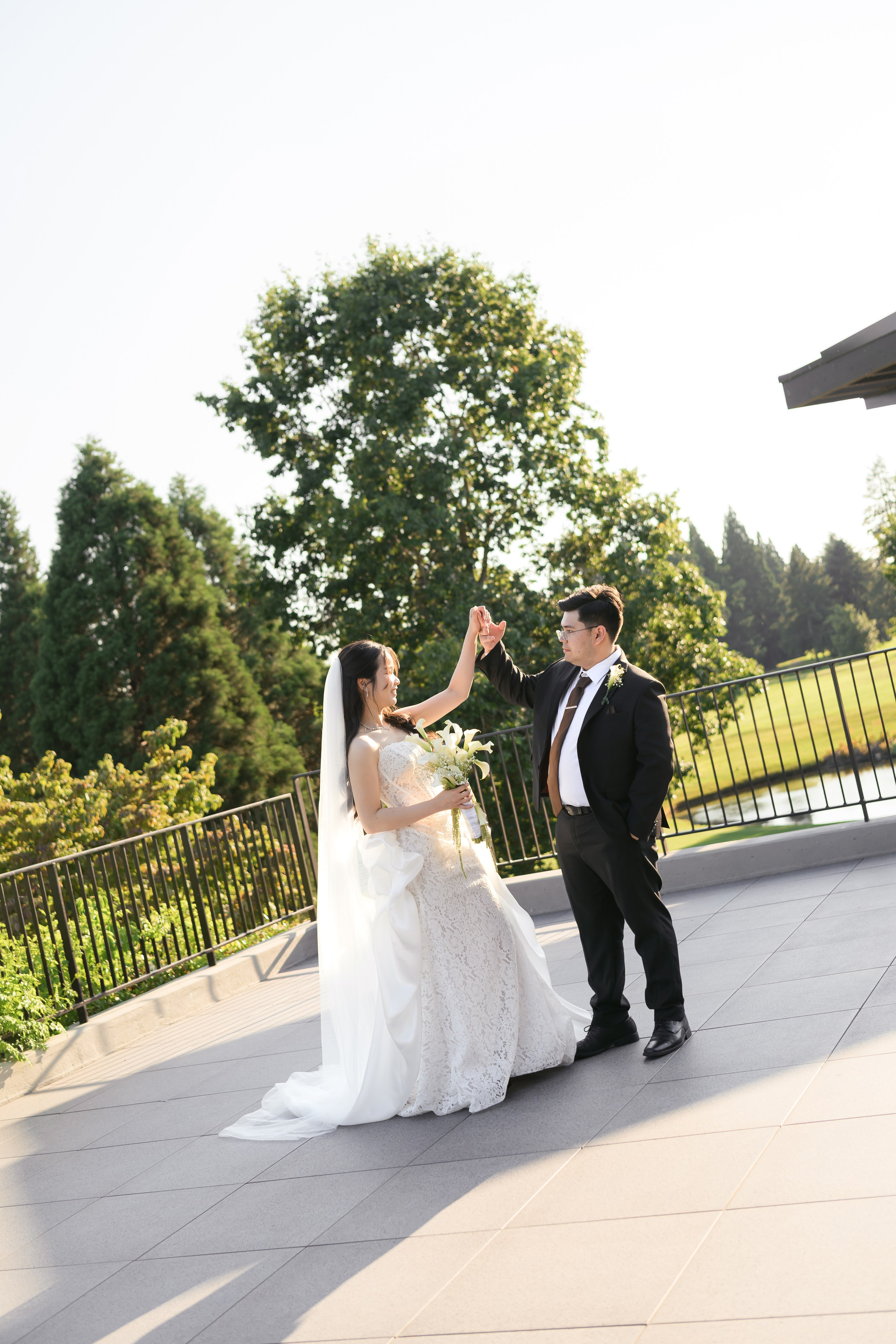
The best timeline is built around your actual wedding date and location, not a generic sunset time. Summer days in the Pacific Northwest can stay bright well into the evening, while fall and winter weddings may lose natural light before the ceremony or dinner begins.
Weather can also change quickly. Moving an event by an hour does not guarantee sunshine, soft light, or a visible sunset. A professional photographer should be able to work in bright sun, overcast weather, indoor spaces, and low light. The goal is to understand the conditions in advance and place outdoor portraits where they have the best opportunity to work.
For indoor ceremonies, especially in churches, ask the venue whether flash photography is permitted. When it is not, the photographer will work with the available light and plan equipment accordingly.
KEEP SUNSET PORTRAITS FLEXIBLE
If the light and weather cooperate, a short evening portrait session can add a completely different feeling to the gallery. These photographs usually require only 10 to 15 minutes and can often be scheduled near the end of dinner or between reception events.
Treat this time as a flexible window rather than a fixed appointment. The sun may disappear behind trees, hills, buildings, or clouds earlier than the published sunset time. Your photographer can watch the light throughout the day and let you know when it is worth stepping outside.
GIVE RECEPTION EVENTS ROOM TO BREATHE
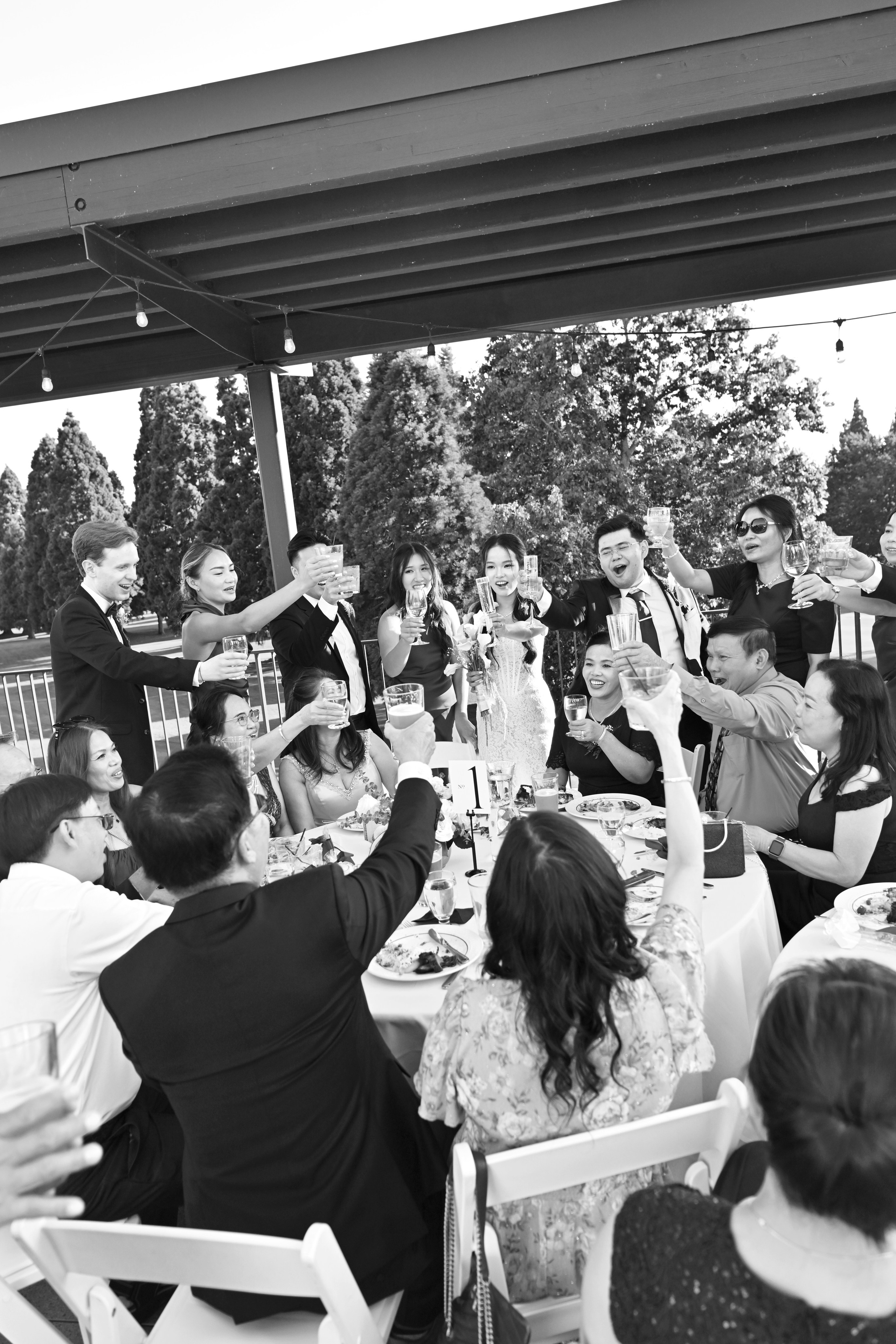
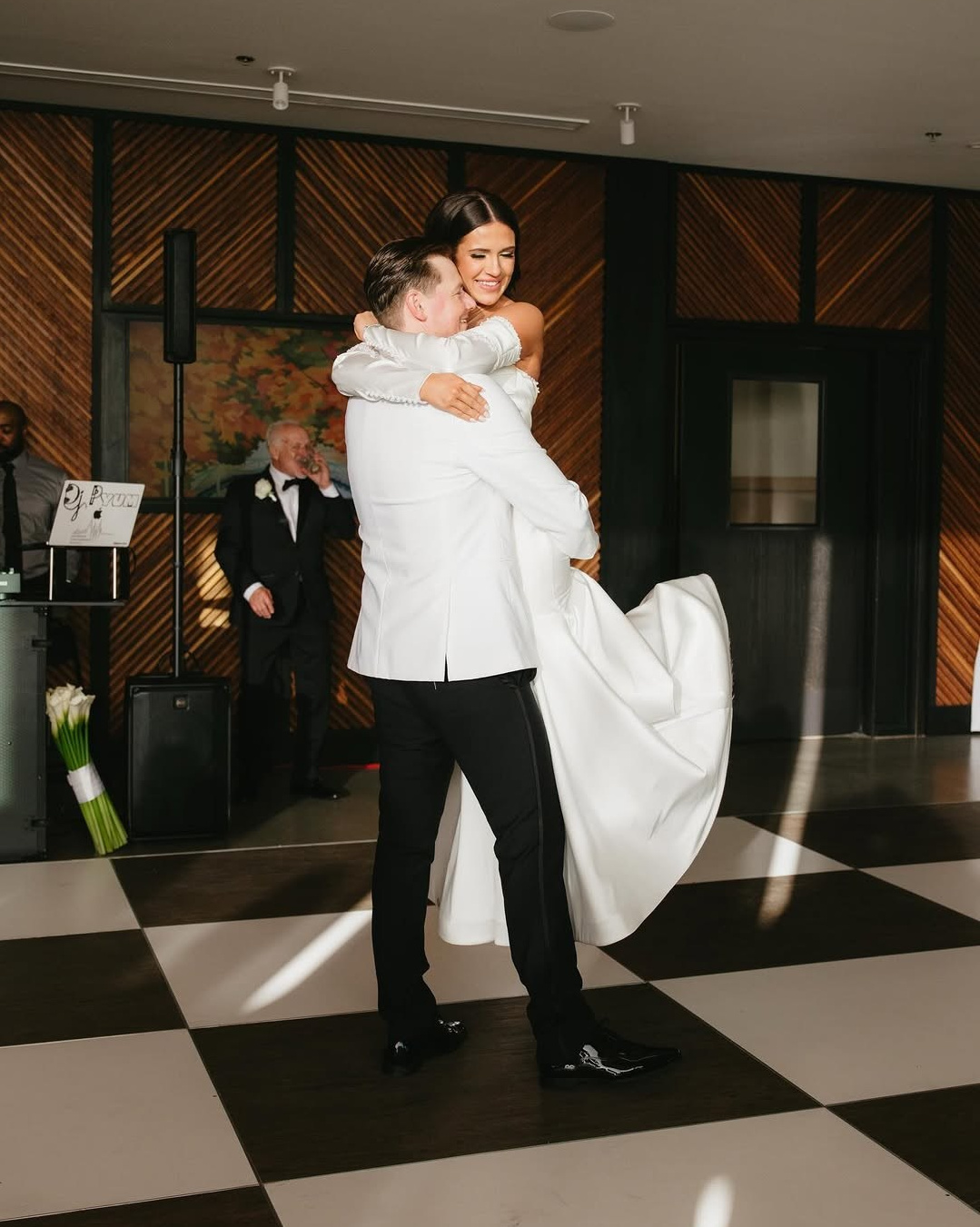
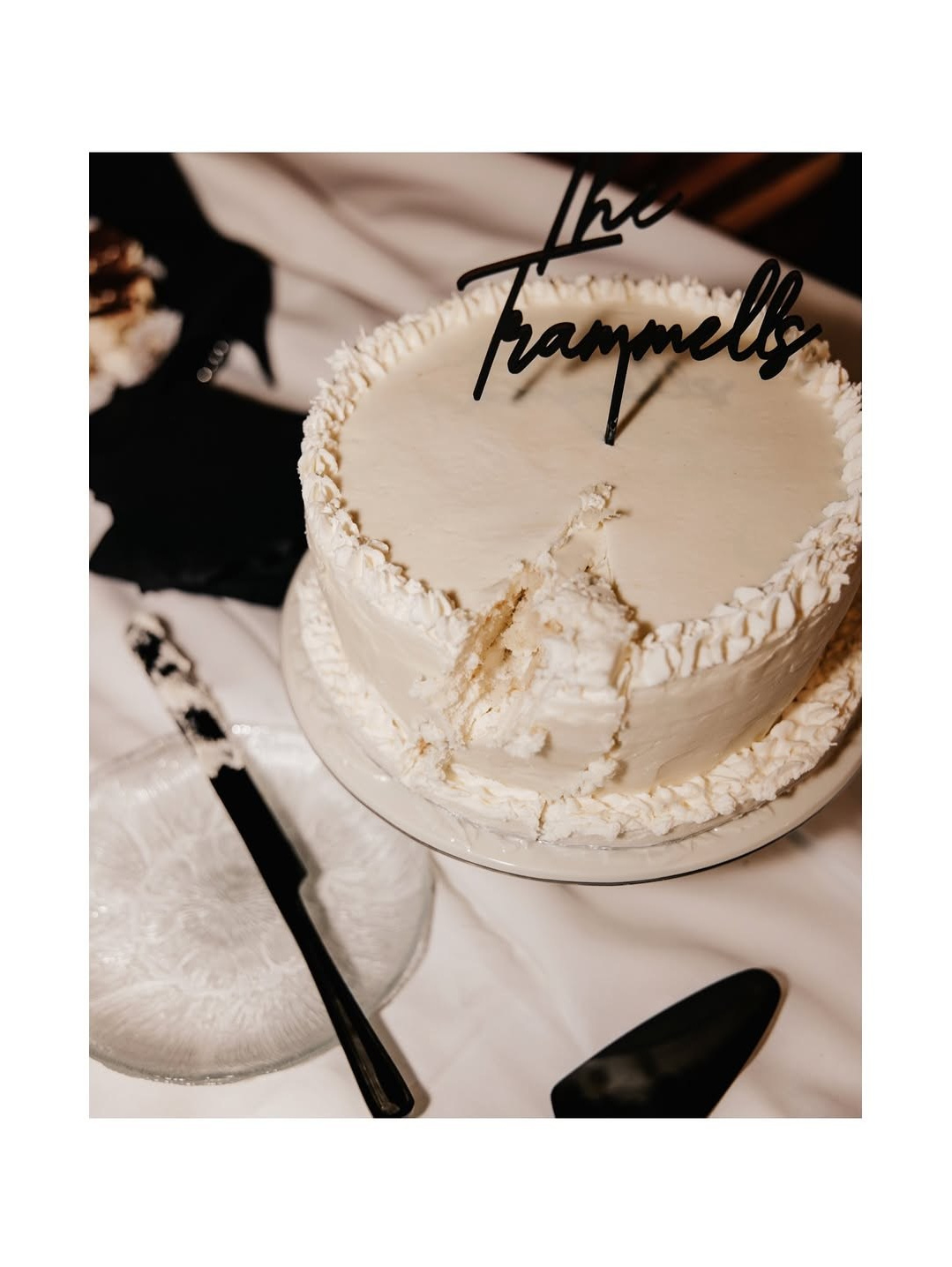
Once the reception begins, avoid scheduling every important event immediately one after another. Allowing a little space between the entrance, dinner, speeches, first dances, cake cutting, and open dancing gives you time to enjoy each part of the evening and helps guests stay engaged.
Tell your photographer before any reception event begins. A quick announcement from the planner or DJ gives enough time to prepare lighting and move into position. This is especially important when events happen in different parts of the venue.
Speeches usually photograph best near the end of dinner, when guests are seated and the couple can be photographed reacting. Whenever possible, speakers should stand near the couple in a clean, well-lit area rather than in front of exit signs, service doors, or DJ equipment.
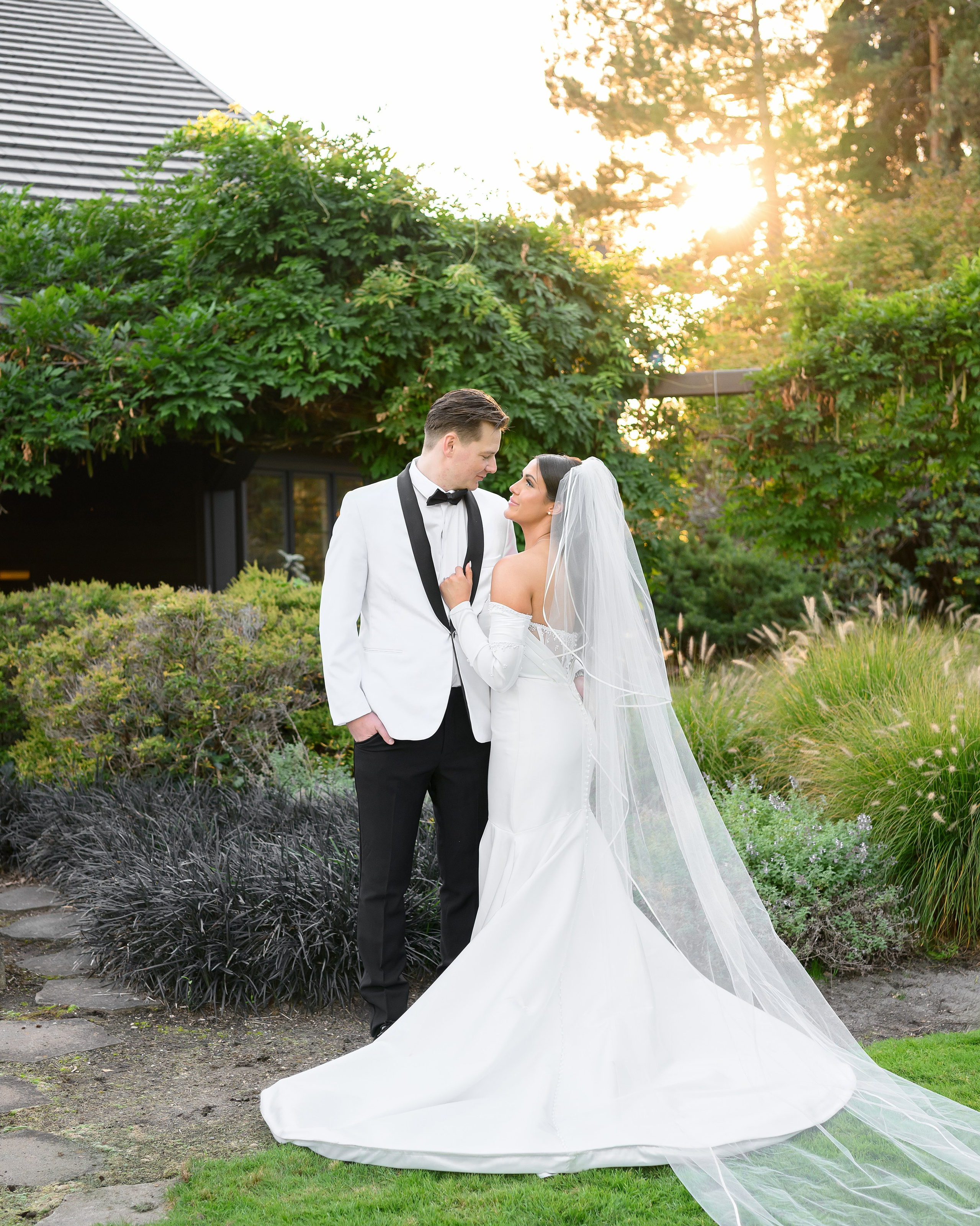
SAMPLE WEDDING PHOTOGRAPHY TIMELINES
The examples below assume that the ceremony and reception take place at the same venue. They are intended as flexible starting points, not fixed schedules. Travel between locations, the season, family size, cultural traditions, and the number of planned events may change how much can comfortably fit into each collection.
4-HOUR WEDDING PHOTOGRAPHY TIMELINE
Four hours works best for a shorter celebration or for couples who want coverage focused on the ceremony, portraits, and the main reception events. Getting ready coverage is usually very limited or not included.
3:00 PM Photographer arrives, venue and ceremony details
3:20 PM Guest arrivals and candid photographs
3:30 PM Ceremony
4:00 PM Family portraits
4:30 PM Wedding party portraits
4:50 PM Couple portraits
5:30 PM Reception entrance and dinner
6:15 PM Speeches, first dance, and cake cutting
6:45 PM Open dancing
7:00 PM Photography coverage ends
This schedule is intentionally compact. If the ceremony and reception are in different locations, travel will replace part of the portrait or reception coverage unless additional time is added.
6-HOUR WEDDING PHOTOGRAPHY TIMELINE
Six hours can include a portion of getting ready, a first look, portraits, the ceremony, and the most important reception events when the day takes place primarily at one venue.
2:00 PM Details and getting ready photographs
2:40 PM Getting dressed and final touch-ups
3:10 PM First look
3:25 PM Couple portraits
4:00 PM Wedding party portraits
4:30 PM Buffer, ceremony and reception details
5:00 PM Ceremony
5:30 PM Family portraits and cocktail hour
6:00 PM Reception entrance and dinner
6:45 PM Speeches and special dances
7:20 PM Short evening portrait session
7:35 PM Cake cutting and open dancing
8:00 PM Photography coverage ends
8-HOUR WEDDING PHOTOGRAPHY TIMELINE
Eight hours gives the day more room to breathe. It allows for a fuller getting ready story, portraits without rushing, the ceremony, family photographs, reception traditions, and more candid coverage of the dance floor.
1:00 PM Details and getting ready photographs
1:30 PM Candid coverage with both partners
2:30 PM Getting dressed and final preparations
3:00 PM First look
3:15 PM Wedding party portraits
3:45 PM Couple portraits
4:20 PM Buffer, ceremony and reception details
5:00 PM Ceremony
5:30 PM Family portraits and cocktail hour
6:15 PM Reception entrance and dinner
7:00 PM Speeches
7:30 PM Short evening portrait session
7:45 PM Special dances and cake cutting
8:15 PM Open dancing
9:00 PM Photography coverage ends
The exact order can always be adjusted. Some couples prefer to skip a first look, include multiple ceremonies, travel between locations, schedule additional cultural traditions, or spend more time on the dance floor. The purpose of a timeline is not to make every wedding look the same. It is to protect the moments that matter most to you.
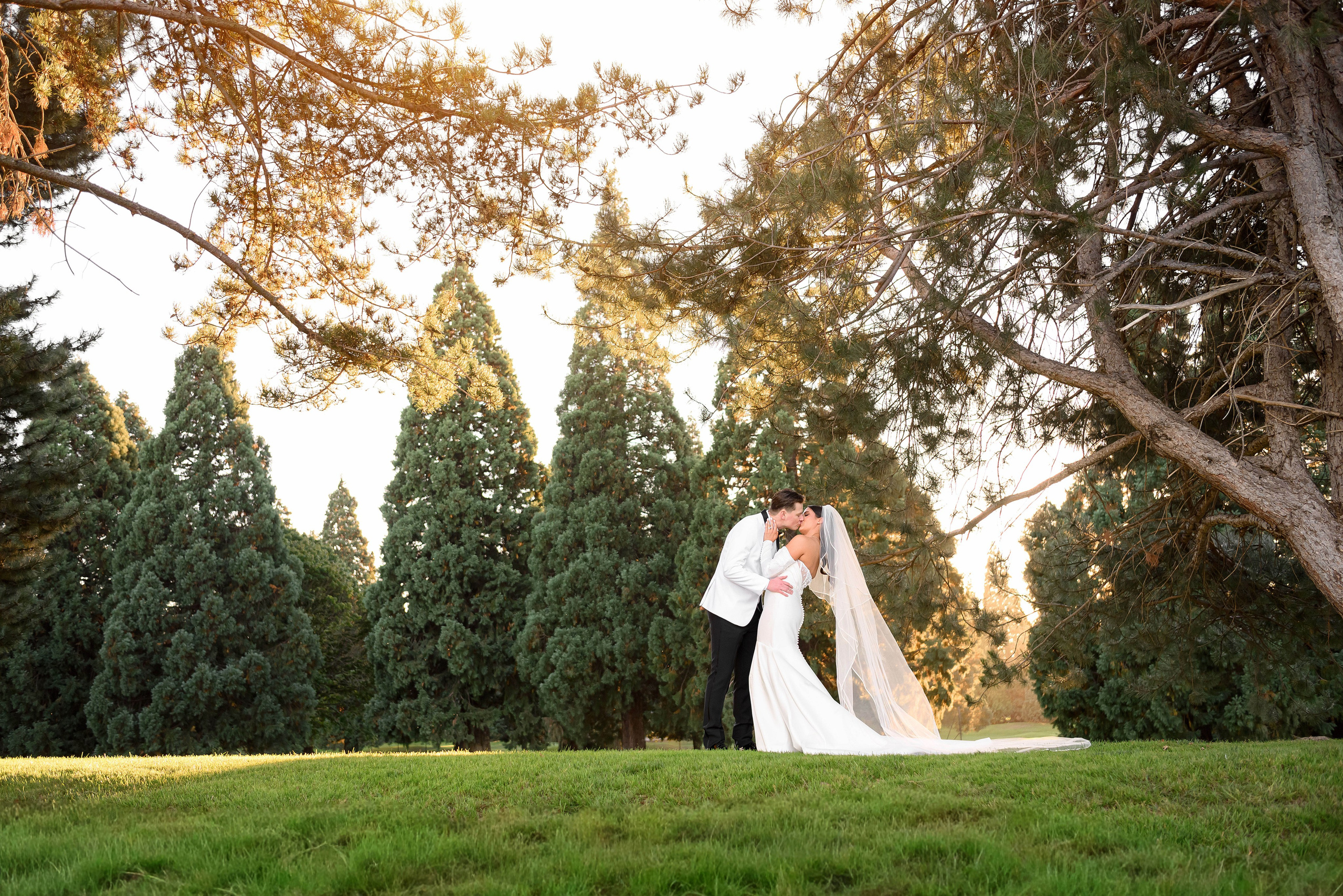
PLANNING A WEDDING IN PORTLAND OR VANCOUVER?
Every wedding timeline should reflect the celebration you are actually planning. The number of locations, ceremony traditions, family size, available light, and the moments that matter most to you all shape the amount of photography coverage you may need.
I help my couples think through the photography portion of the day, identify where additional time or a buffer may be helpful, and create space for both thoughtfully directed portraits and the unscripted moments that happen naturally.
If you are planning a wedding in Portland, Vancouver, or the surrounding Pacific Northwest, tell me about your date, venue, and plans for the day. I would be happy to share availability and help you choose the collection that fits your celebration.
THE JOURNAL
WELCOME TO THE JOURNAL
HOW MANY HOURS OF WEDDING PHOTOGRAPHY DO YOU NEED?
COLUMBIA EDGEWATER COUNTRY CLUB WEDDING IN PORTLAND, OREGON
WEDDING PHOTOGRAPHER FAQ: WHAT COUPLES SHOULD KNOW BEFORE BOOKING