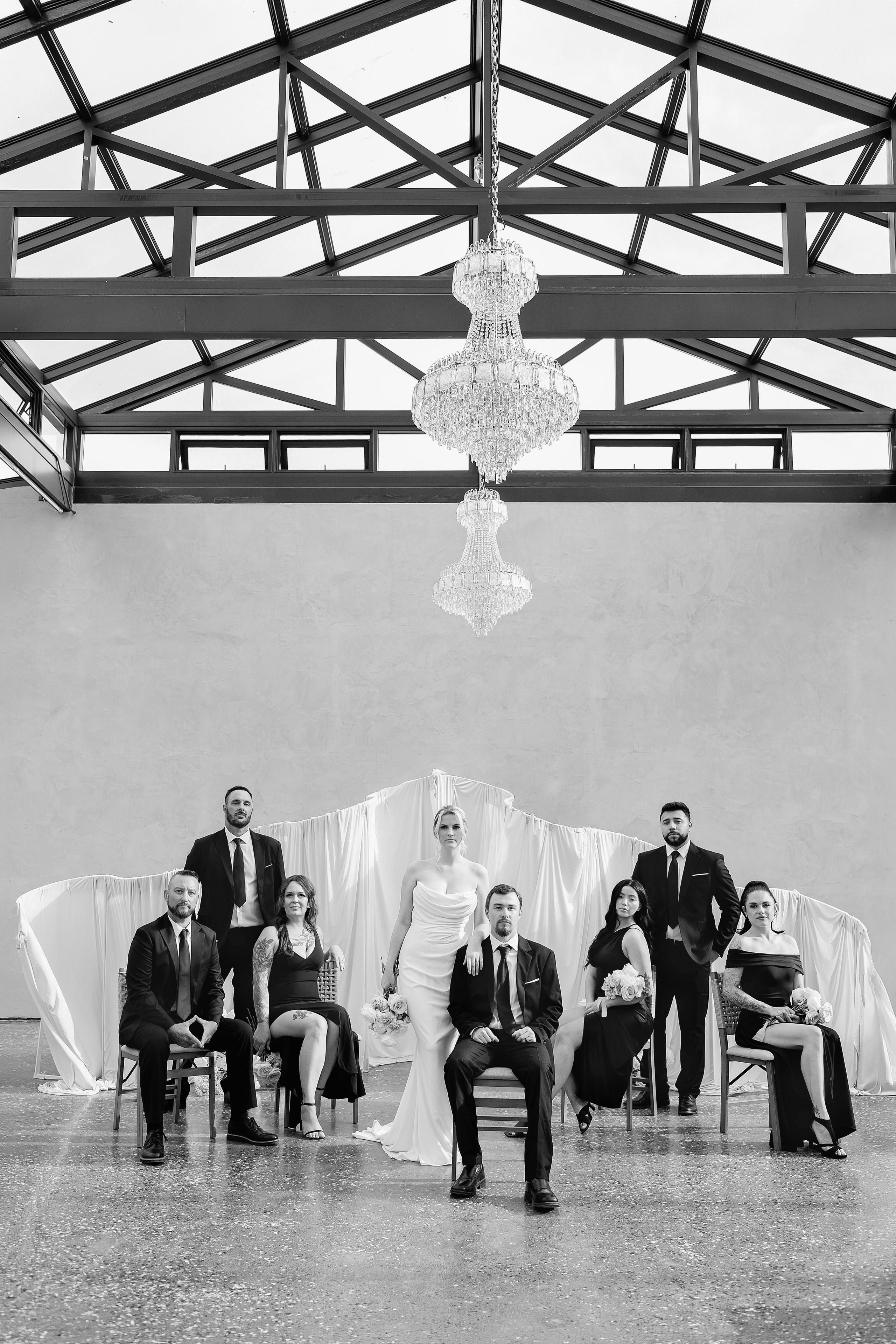
Choosing the right amount of wedding photography coverage is less about the size of the wedding and more about how much of the day you want documented.
A four-hour wedding and an eight-hour wedding can have the same number of guests, but the final galleries will feel very different. The main question is whether you want coverage focused around the ceremony and portraits, or whether you want the photographs to tell the story from getting ready through the reception.
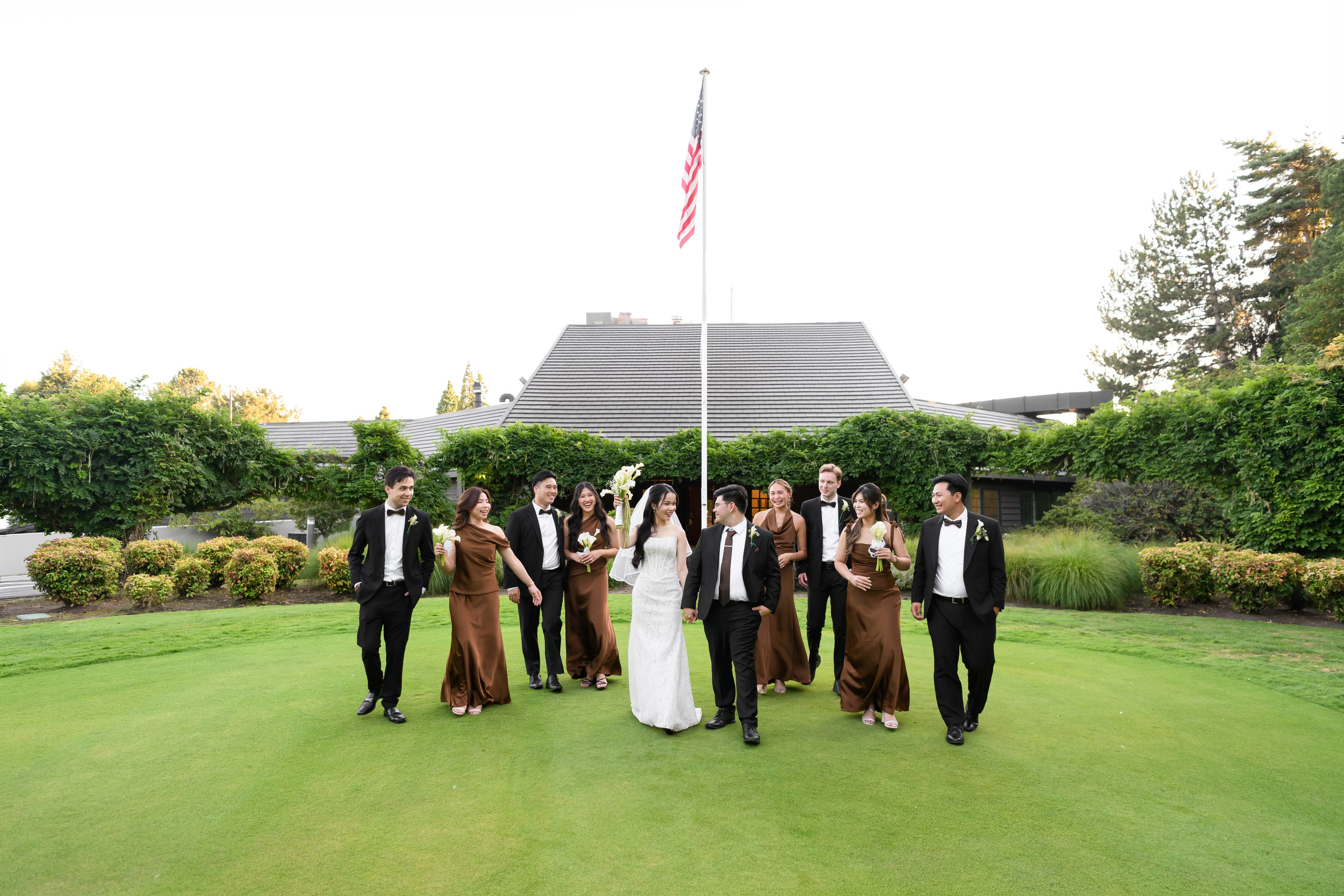
4 Hours — Intimate Wedding Coverage
Four hours works best for shorter celebrations and intimate weddings where the timeline is simple and most of the day happens in one place.
It can be a good fit if you’re planning a small ceremony, don’t need full getting-ready coverage, and mainly want photographs of the ceremony, family, wedding party, couple portraits, and a short part of the reception.
For example, 4 hours might cover:
- ceremony
- family and wedding party photographs
- couple portraits
- a small amount of reception coverage
What four hours usually does not allow for is a full wedding-day story from getting ready through the later reception events.
Four hours is best suited for intimate weddings, shorter celebrations, or ceremony-focused coverage rather than full-day coverage.
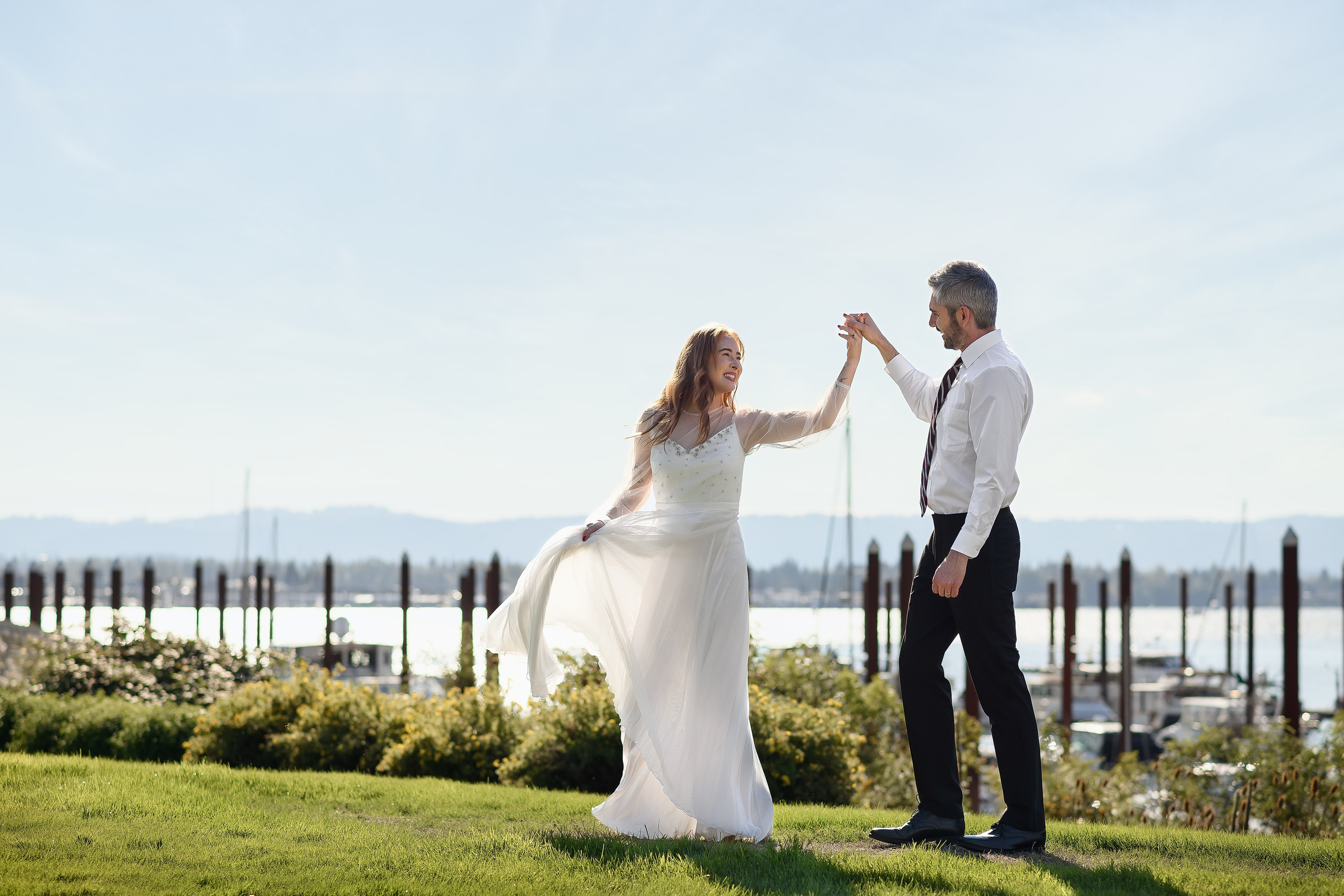
6 Hours — The Essential Parts of the Day
Six hours gives you more flexibility and can cover most of the key moments of a wedding day when the timeline is relatively compact.
This amount of coverage often includes some getting-ready or detail photographs, the ceremony, family and wedding party portraits, couple portraits, and the beginning of the reception.
A typical six-hour timeline might include:
- a short getting-ready or details section
- ceremony
- family photographs
- wedding party
- couple portraits
- cocktail hour or the beginning of the reception
The main limitation is that six hours often requires choosing where you want more coverage. You may have to decide between a longer getting-ready section and more of the reception, or between extra portrait time and later events like speeches or dancing.
6 hours can work beautifully when the wedding is well organized, locations are close together, and you don’t need every part of the day documented.
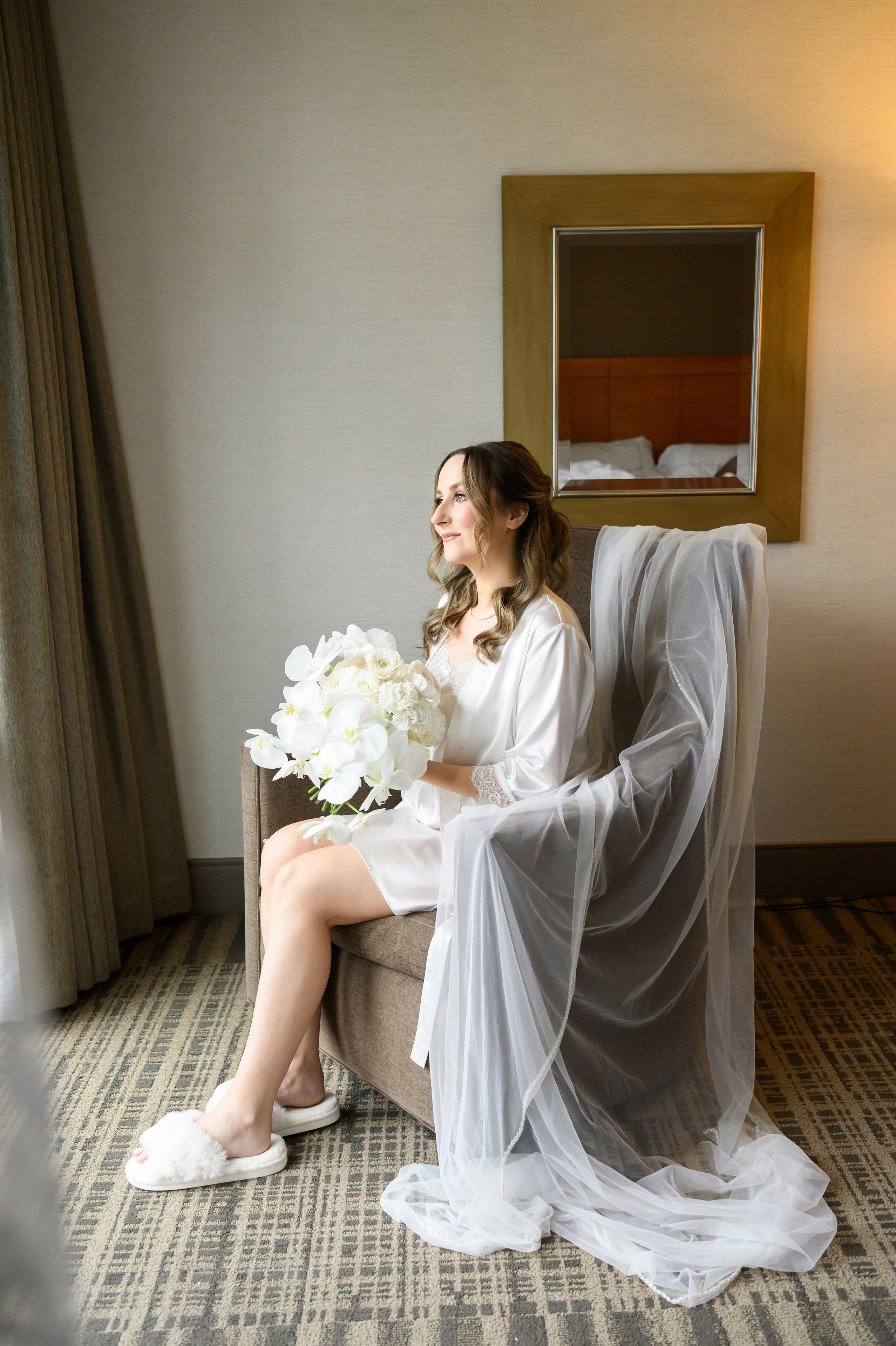
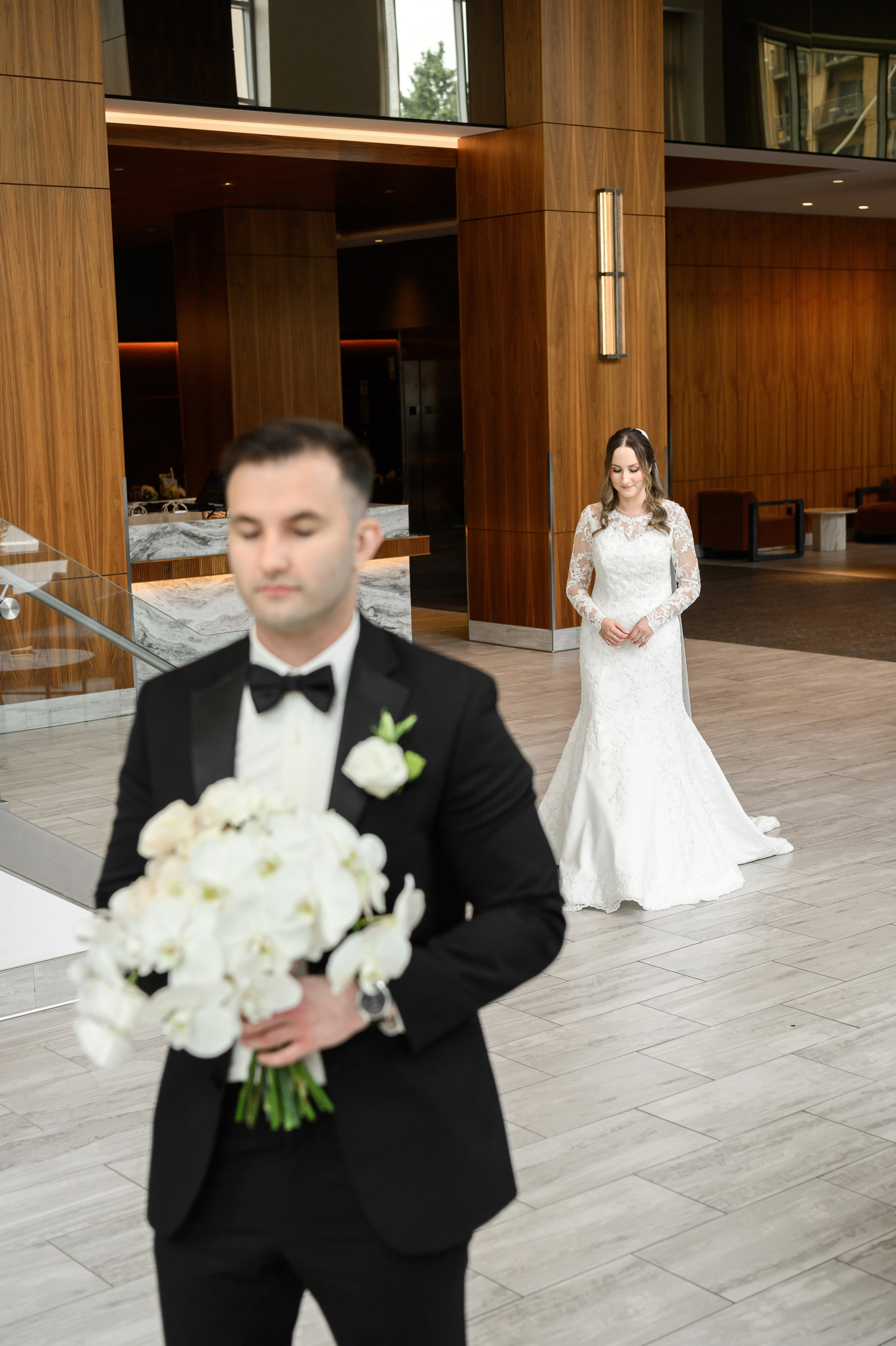
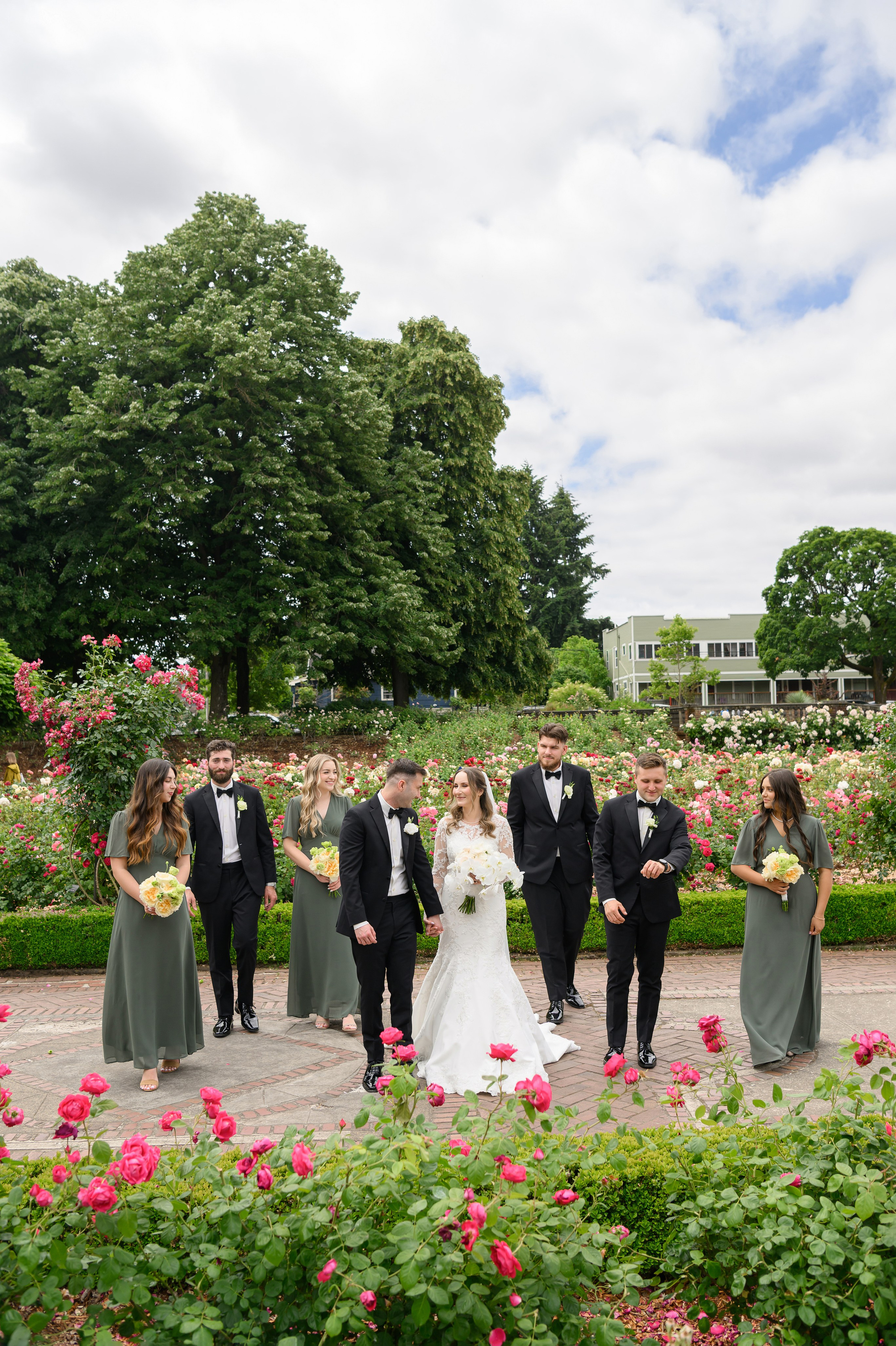
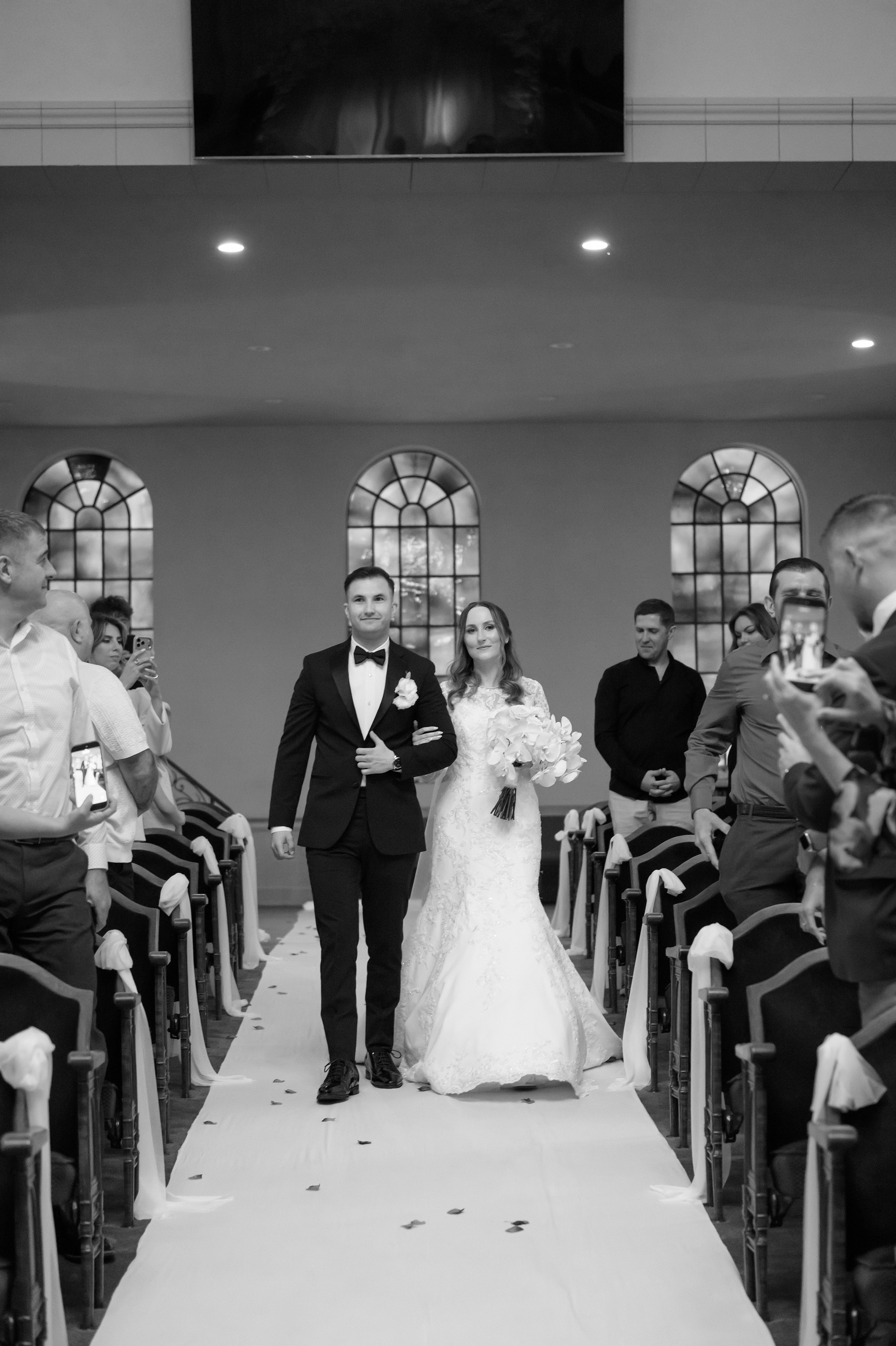
8 Hours — A Full Wedding-Day Story
For most traditional weddings, eight hours gives the day much more room to breathe.
Instead of planning every part of the photography around the clock, there is usually enough time to move through the day naturally while still covering the moments couples tend to care about most.
Eight hours can often include:
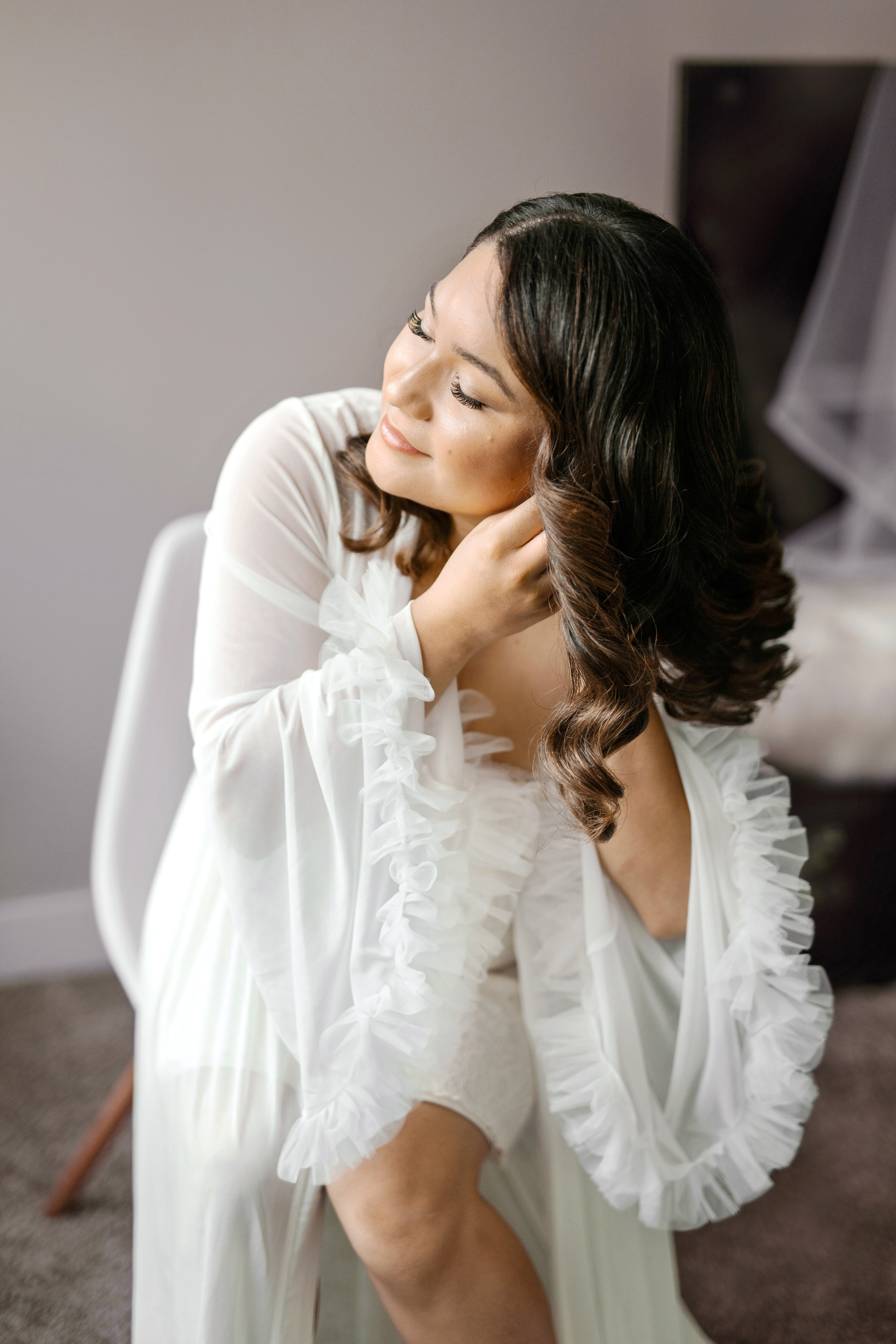
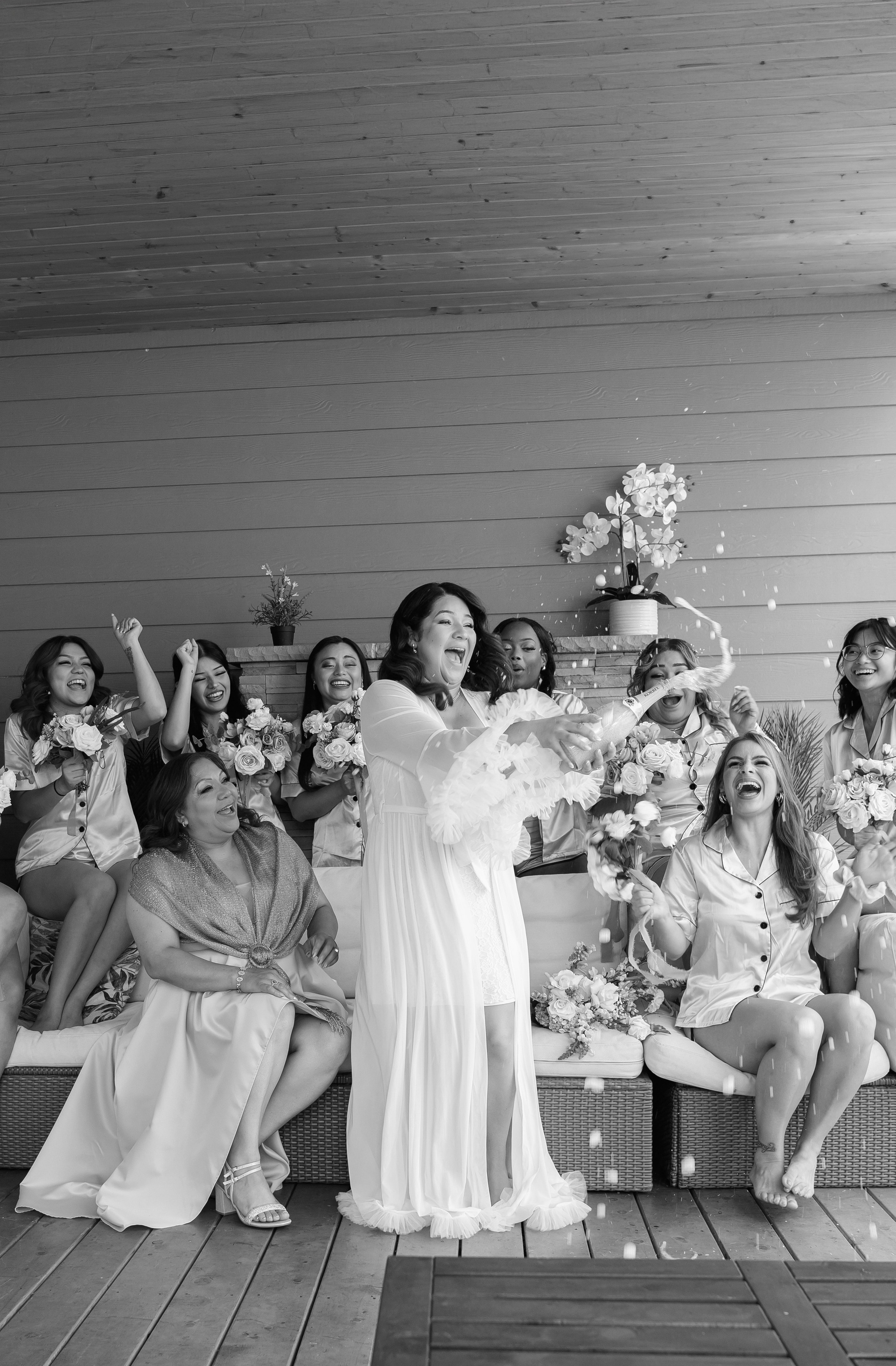
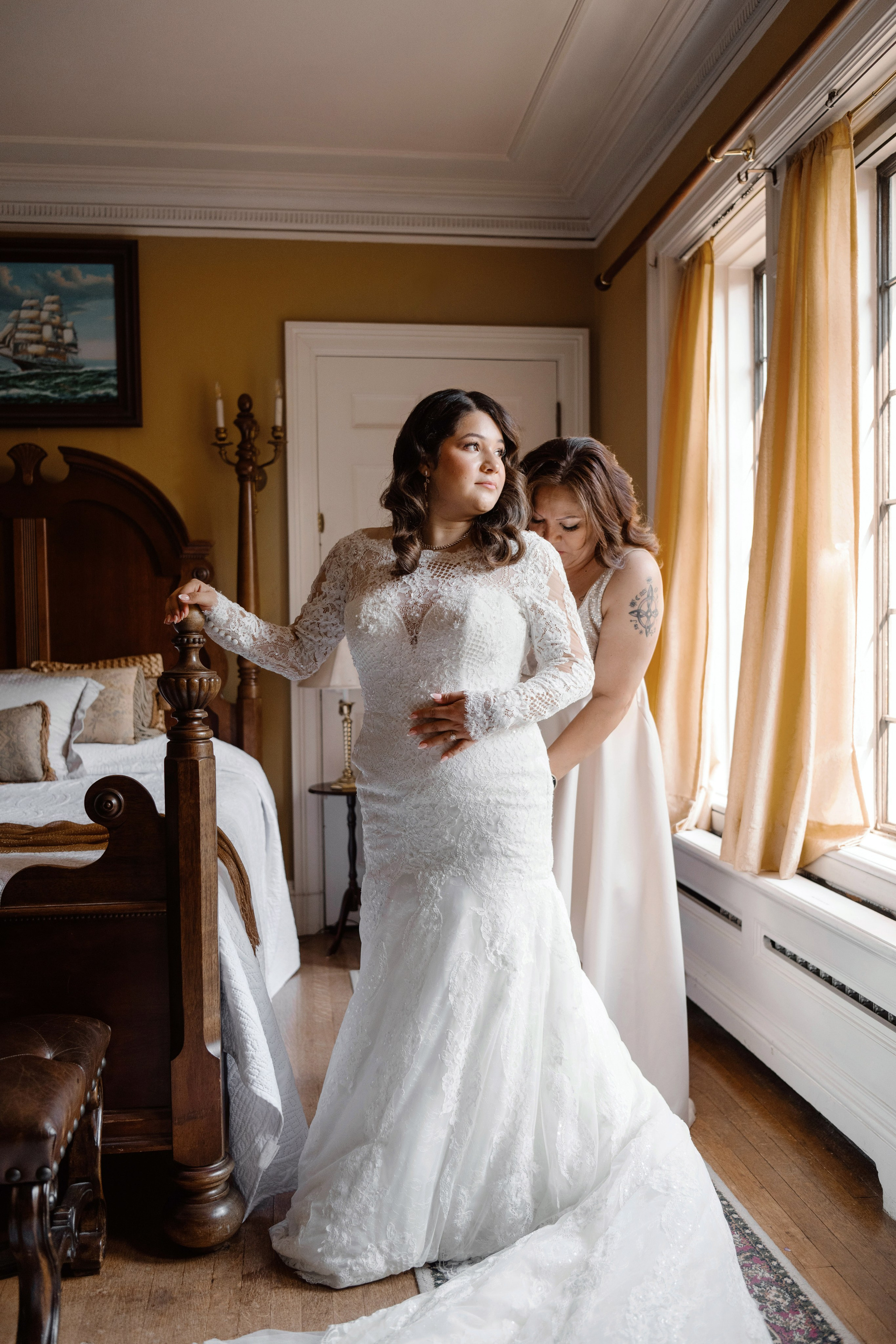
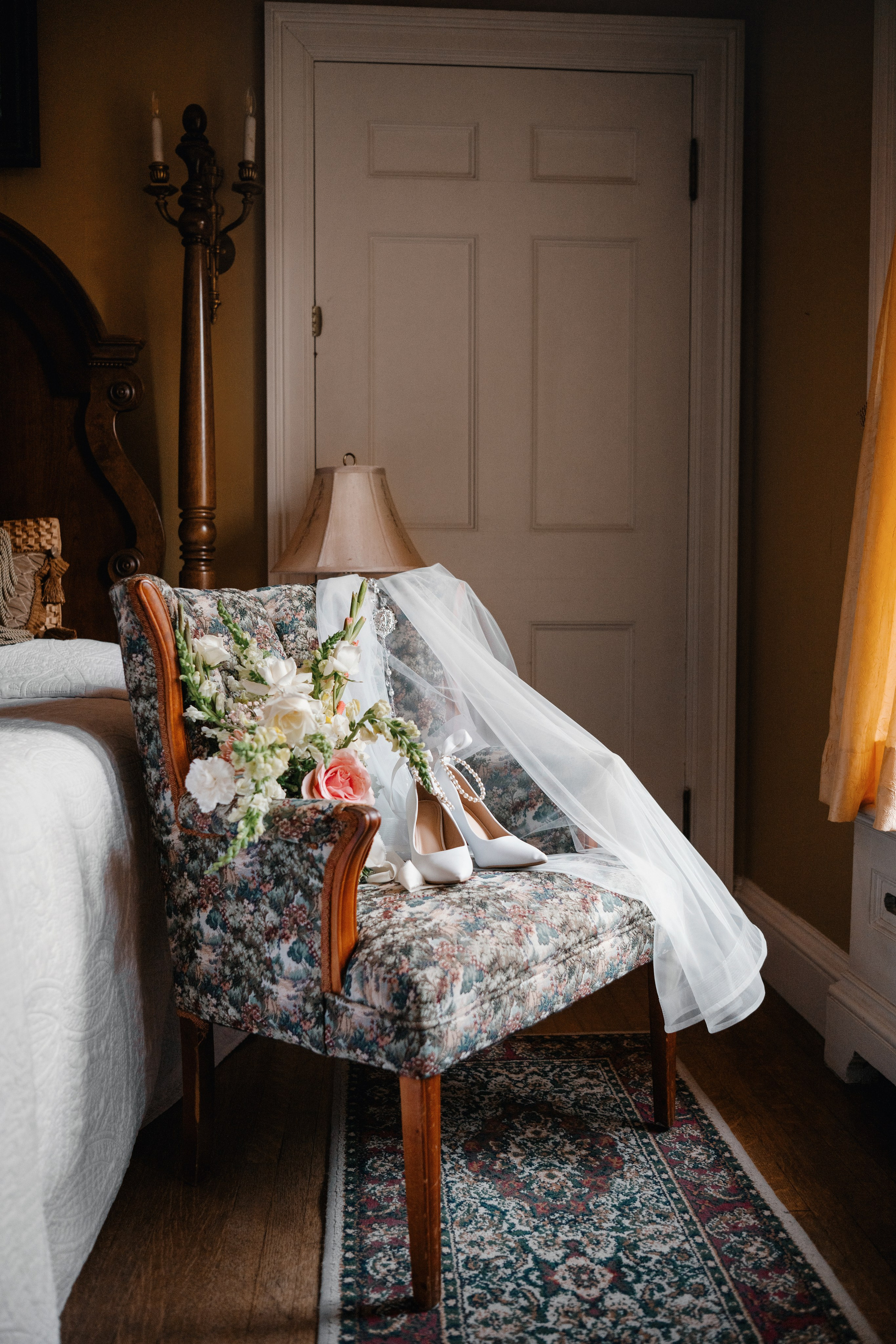
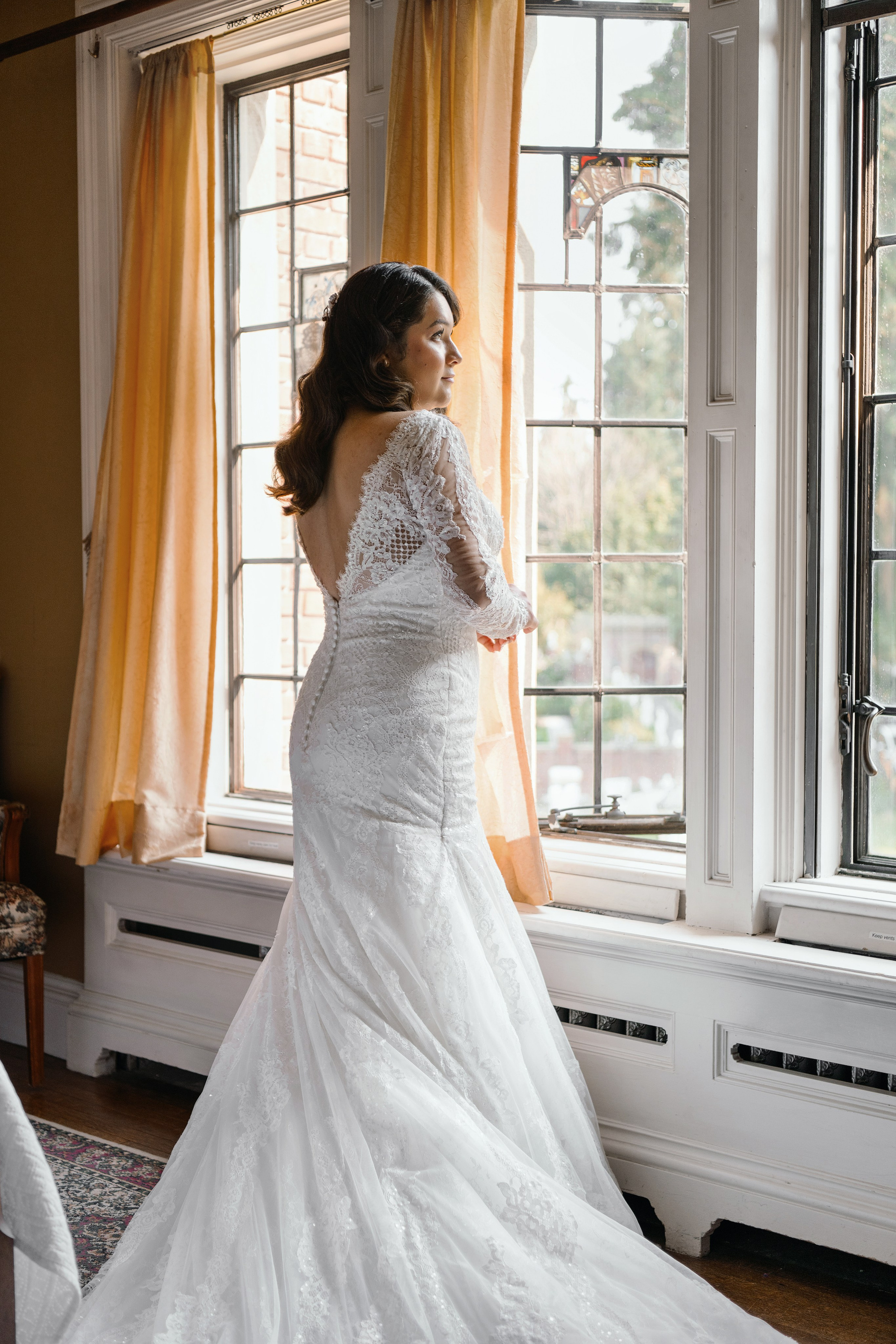
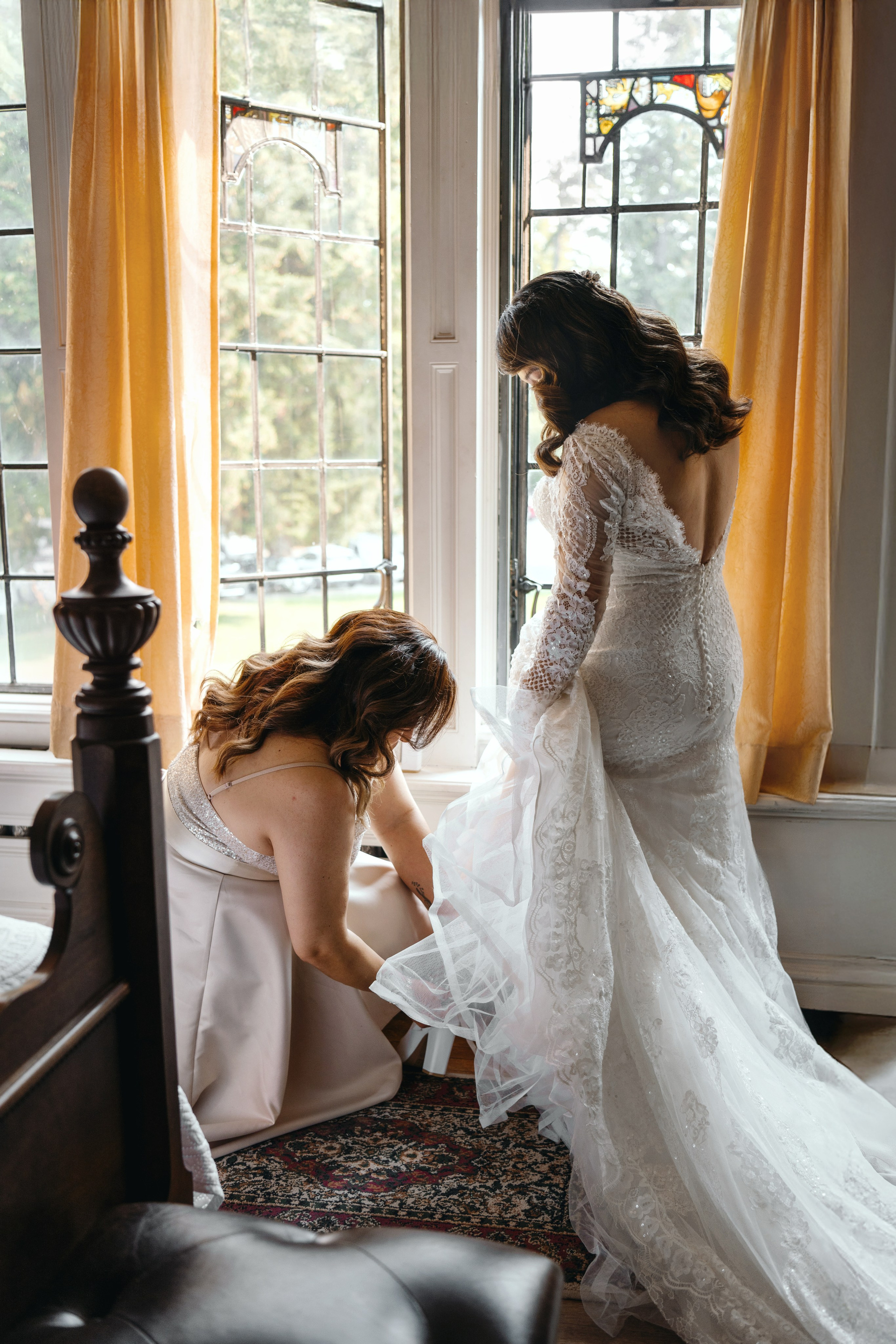
- getting ready
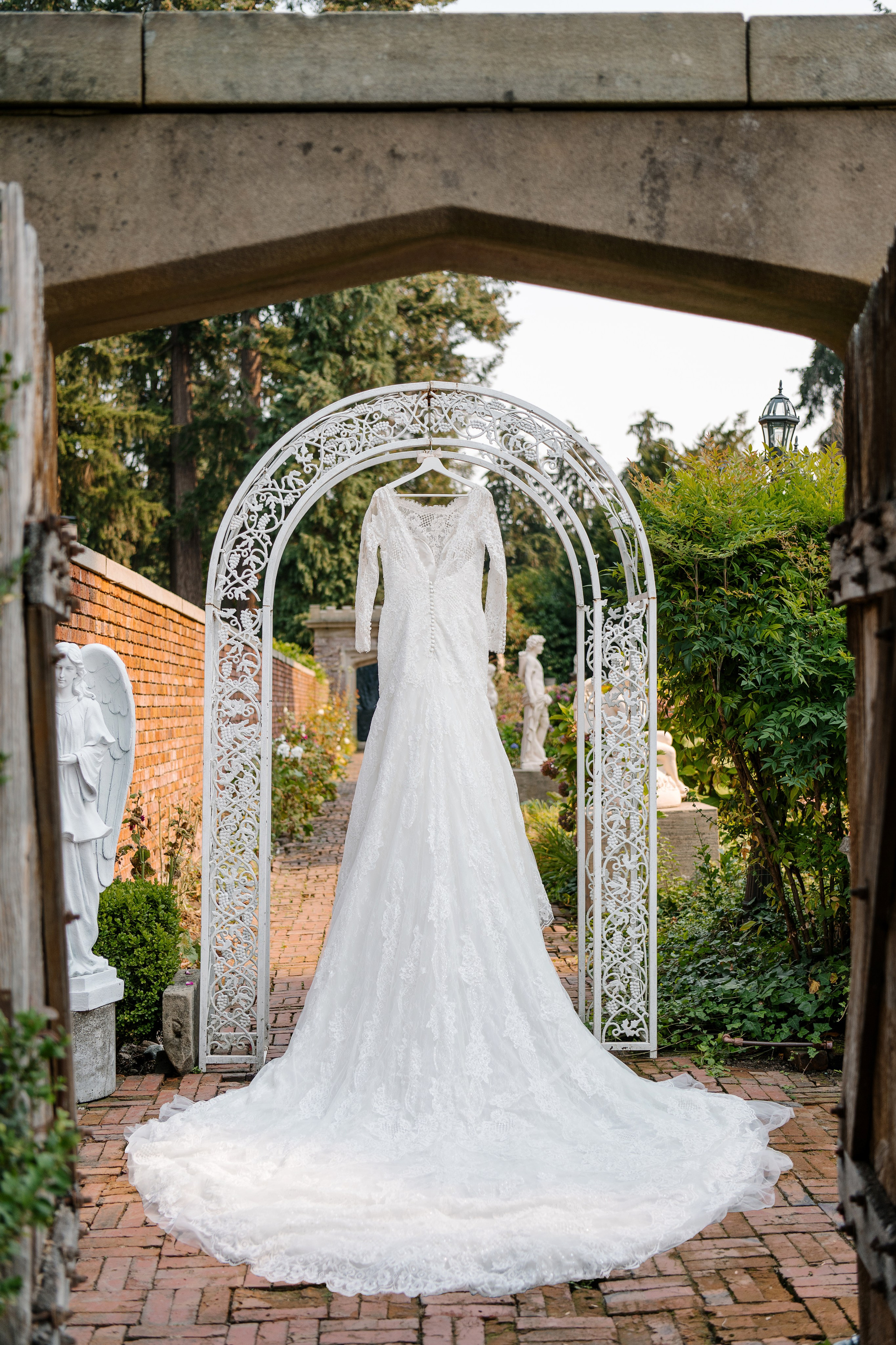
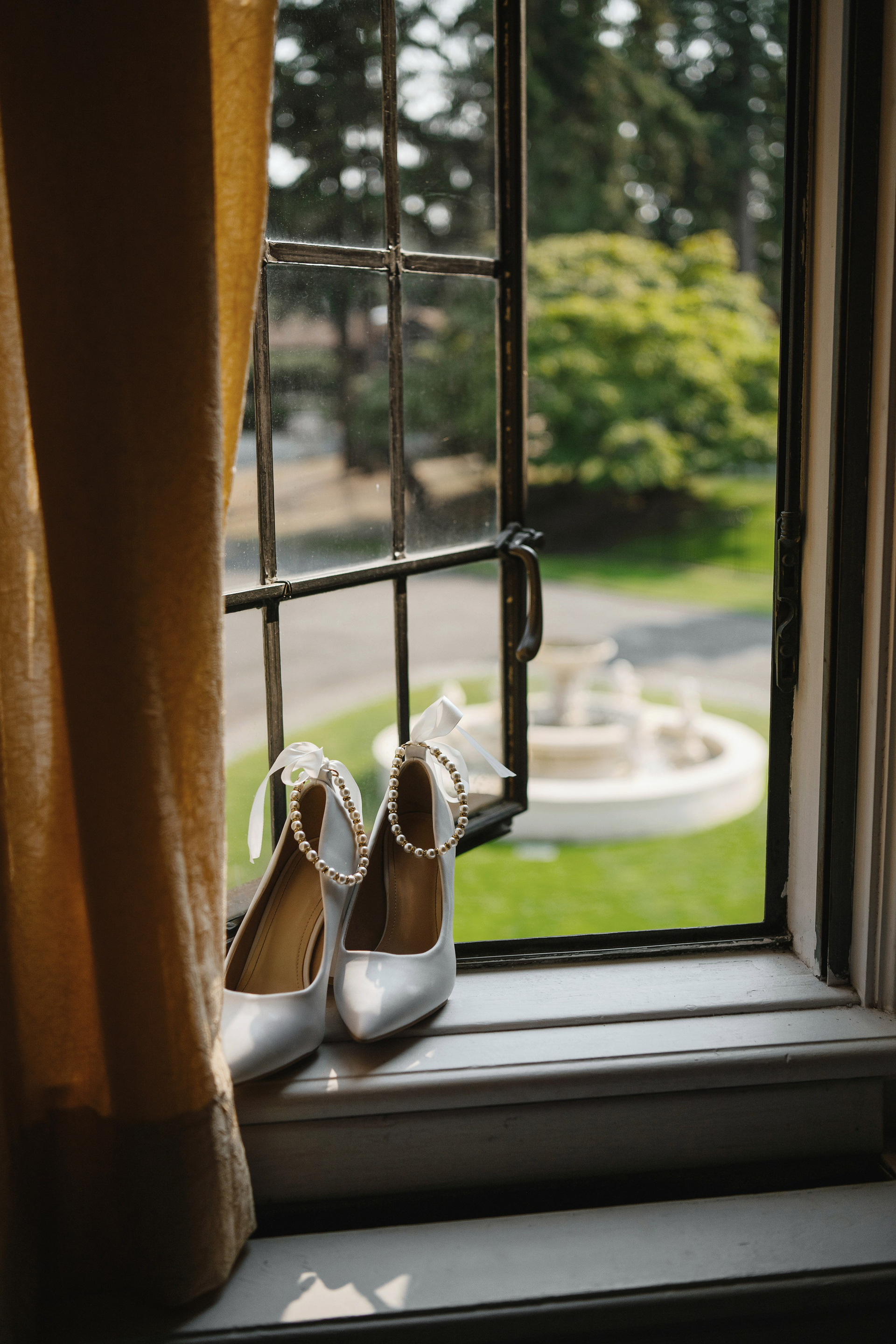
- wedding details
- first look or first touch, if planned
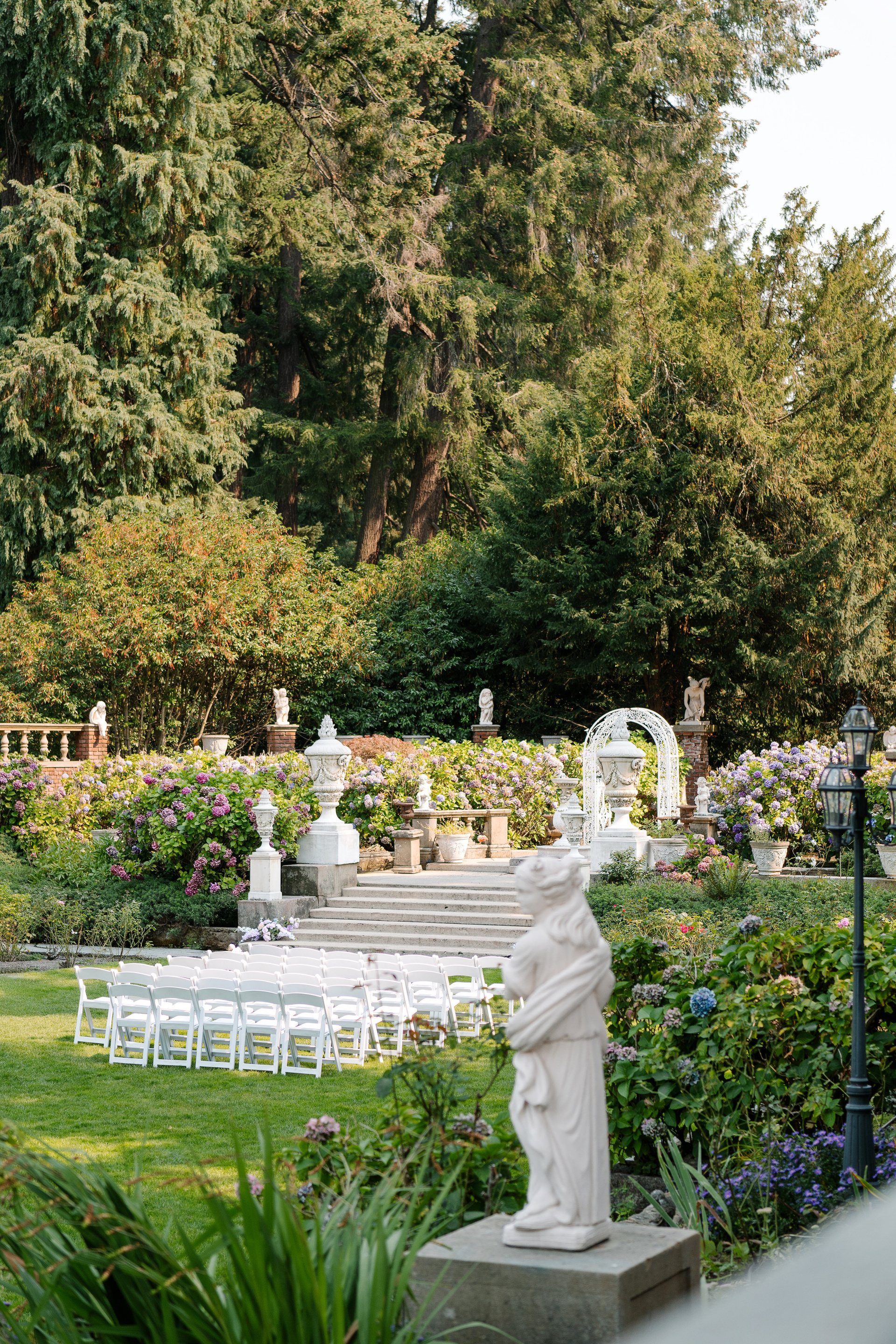
- ceremony
- family photographs
- wedding party
- couple portraits
- reception details
- speeches
- cake cutting
- first dances
- part of the open dancing
- golden-hour portraits, if the timeline and season allow
The biggest difference isn’t simply two more hours. It’s the flexibility those two hours create.
Eight hours gives more room for delays, travel, family photographs, quieter candid moments, and a second portrait window later in the day without having to rush through the rest of the schedule.
That often makes the final gallery feel more complete because it includes both the major events and the smaller in-between moments that connect them.
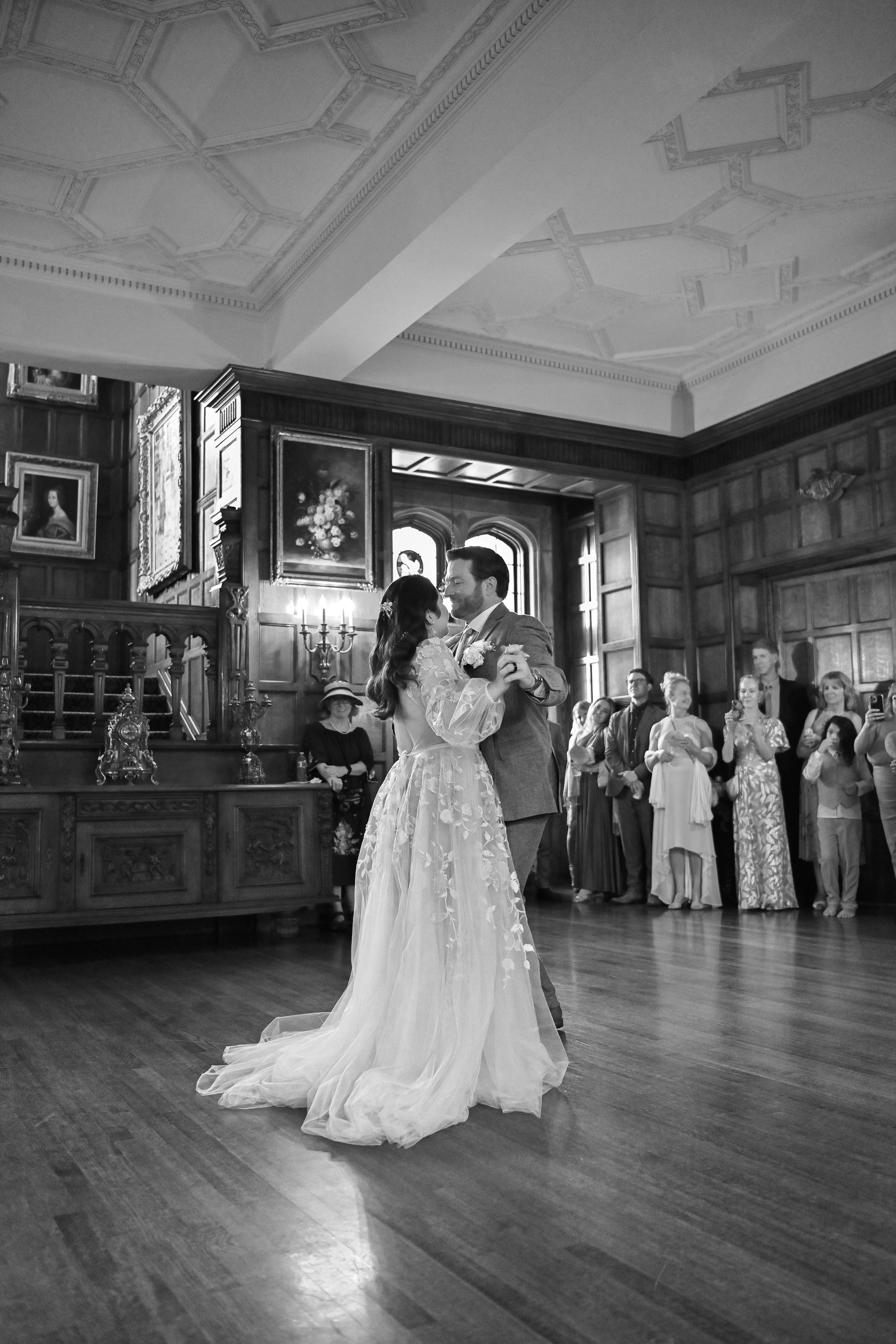
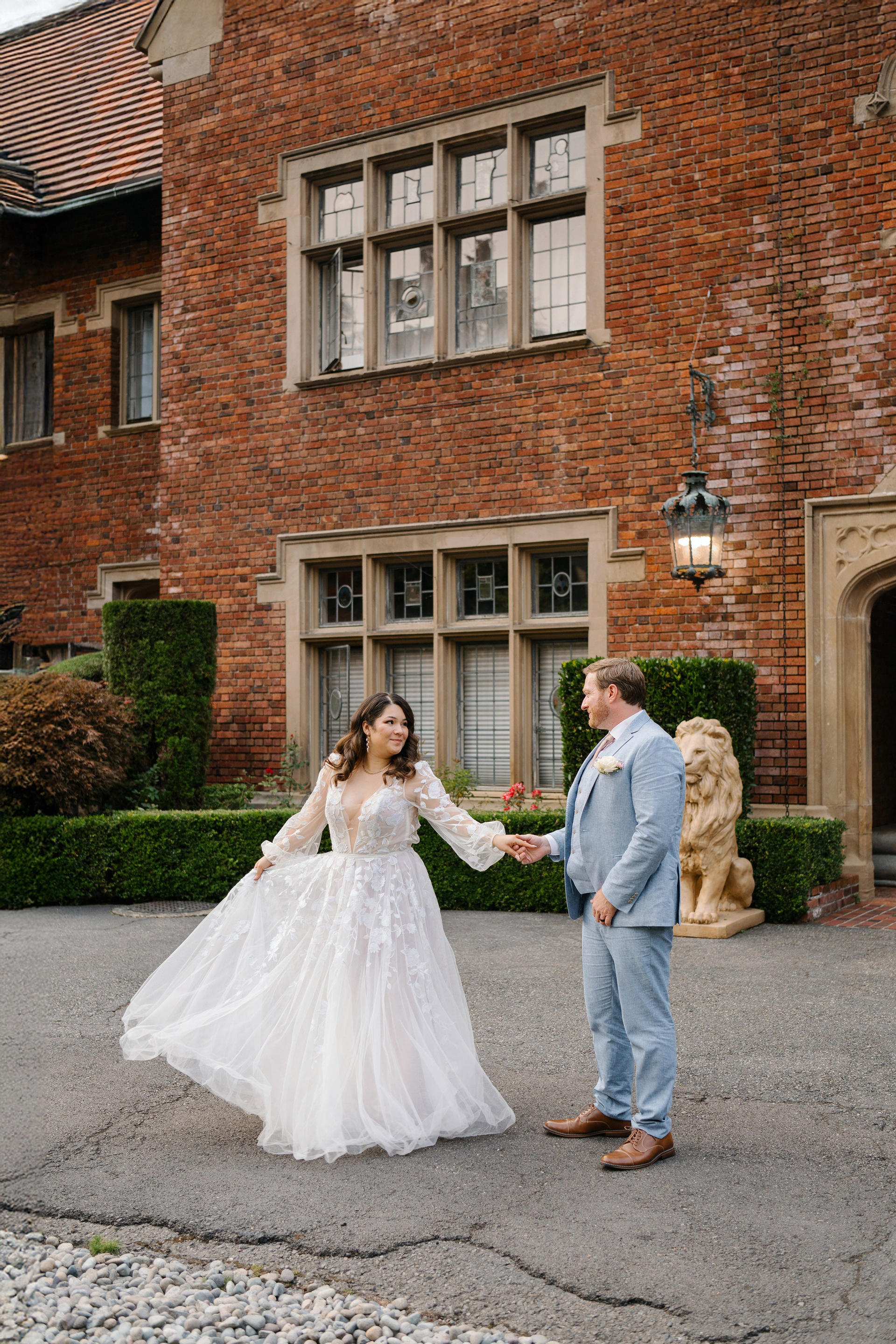
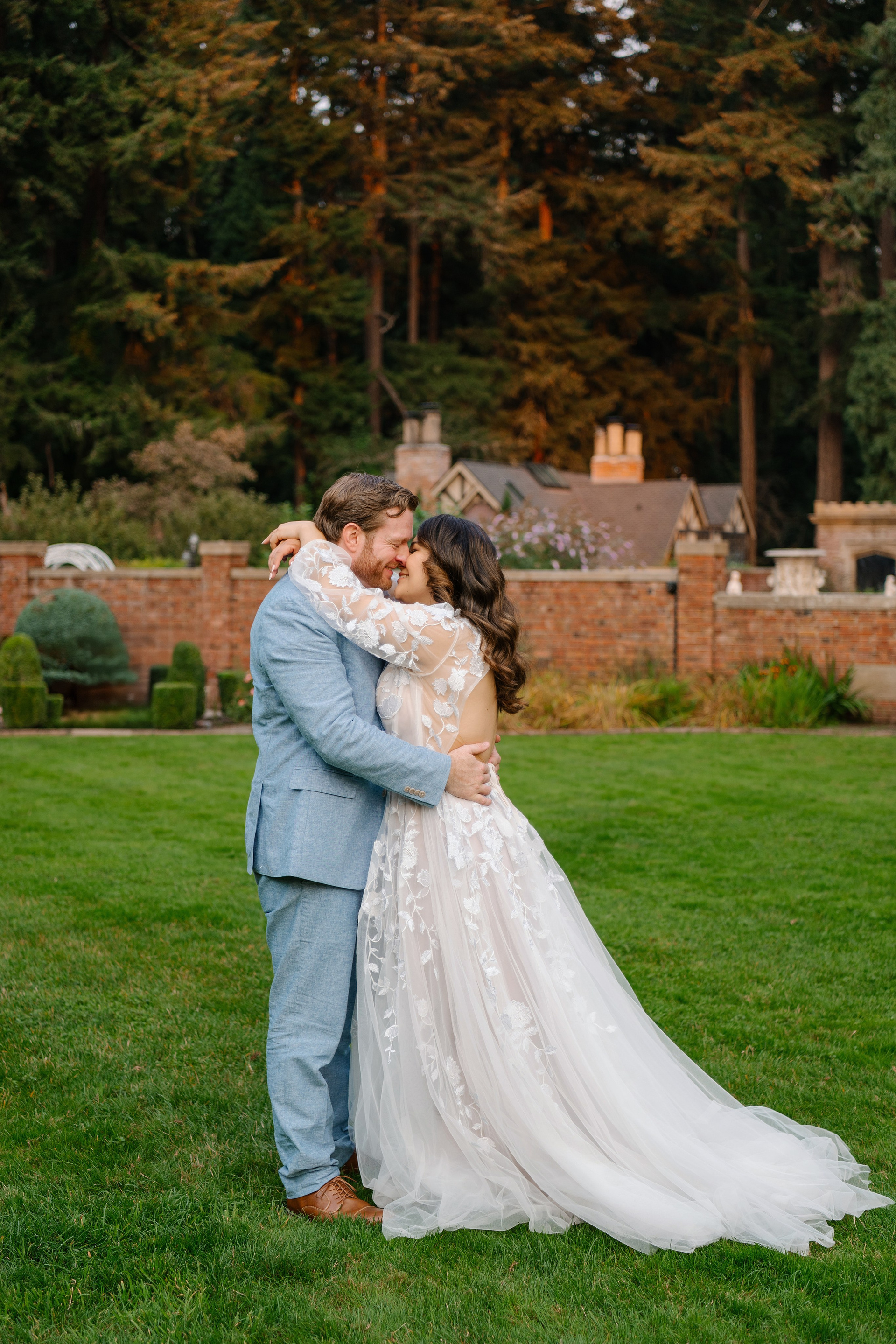
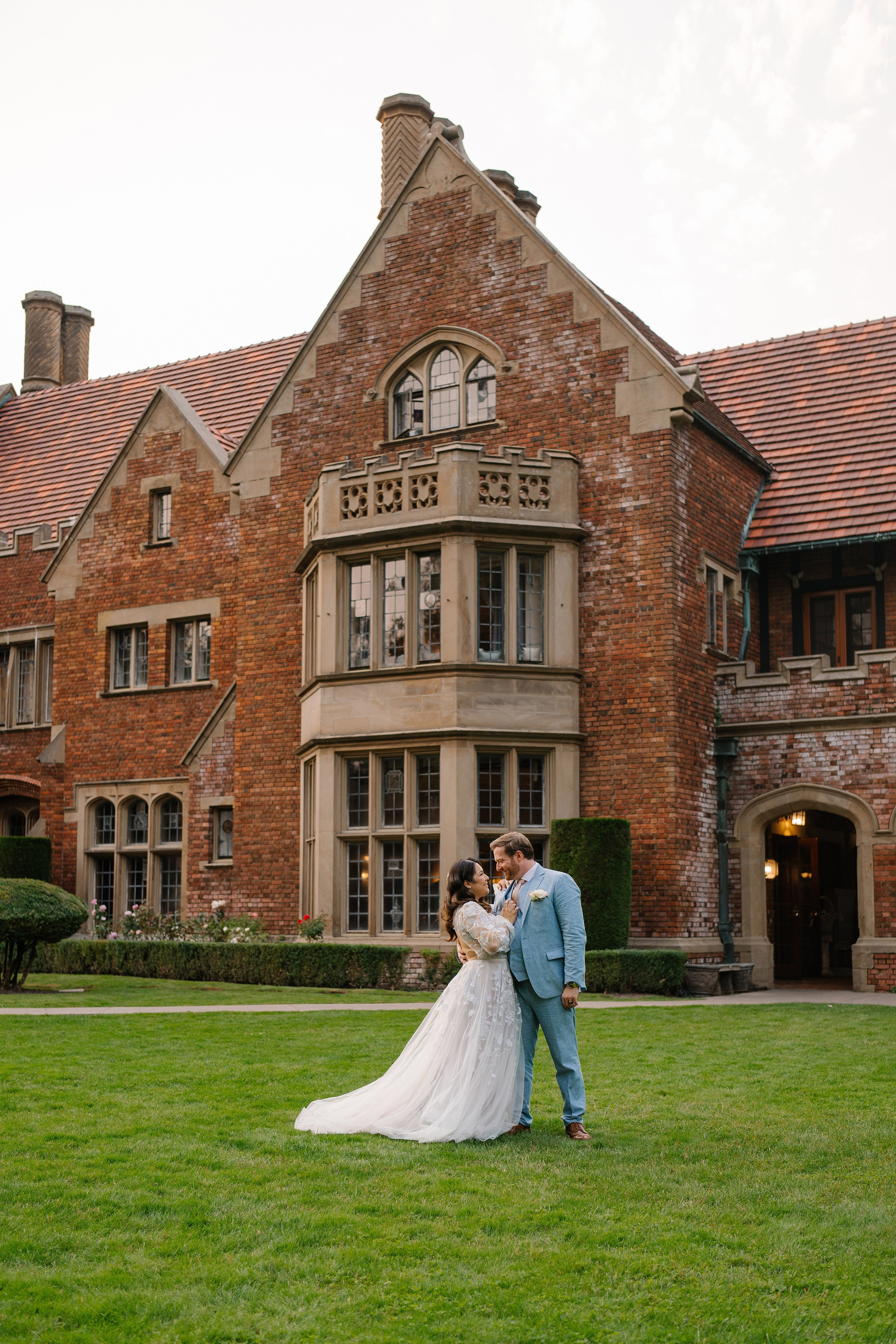
Travel Between Wedding Locations
If your wedding takes place at more than one location, travel time needs to be included when choosing your photography coverage.
Photography coverage runs continuously from the agreed start time. Driving between the getting-ready location, ceremony venue, portrait location, and reception is part of the booked time.
A 30-minute drive from the ceremony to the reception uses 30 minutes of the photography coverage, even though photographs are not being taken during that drive.
This is one of the biggest reasons two weddings with similar timelines can need different amounts of coverage.
A 6-hour wedding where everything happens at one venue can fit very differently from a 6-hour wedding with several locations across Portland or Vancouver.
What If the Wedding Timeline Runs Late?
Wedding timelines rarely stay perfectly on schedule.
Hair and makeup can run longer than expected, ceremonies can start late, family photographs can take extra time, and transportation between locations can change throughout the day.
A little extra coverage gives us more room to adjust without immediately cutting another part of the photography timeline.
This doesn’t mean every wedding needs the longest package. It simply means the more moving parts your day has, the more useful that extra breathing room becomes.
So, How Much Coverage Should You Choose?
For most traditional wedding days that include getting ready, a ceremony, portraits, and a reception, I usually recommend starting with eight hours.
Six hours can work very well for a more compact timeline, especially when everything happens at one venue.
Four hours is usually the best fit for intimate weddings, shorter celebrations, or couples who mainly want ceremony and portrait coverage.
The right choice depends on your actual timeline, not just the package name.
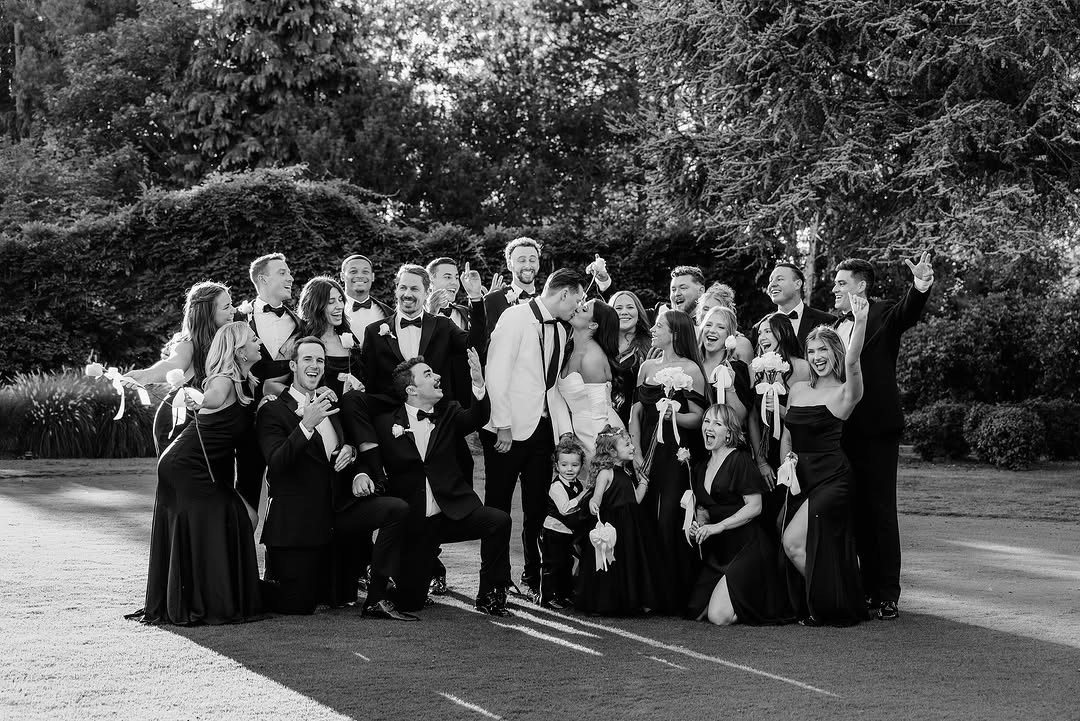
Need help building the full schedule?
Read my Wedding Photography Timeline Guide.
Not Sure What Your Wedding Needs?
If you already have a venue and a general idea of your ceremony and reception schedule, send me the details.
I can look at the timeline, travel between locations, and the parts of the day you care most about and tell you what amount of coverage I think makes the most sense.
THE JOURNAL
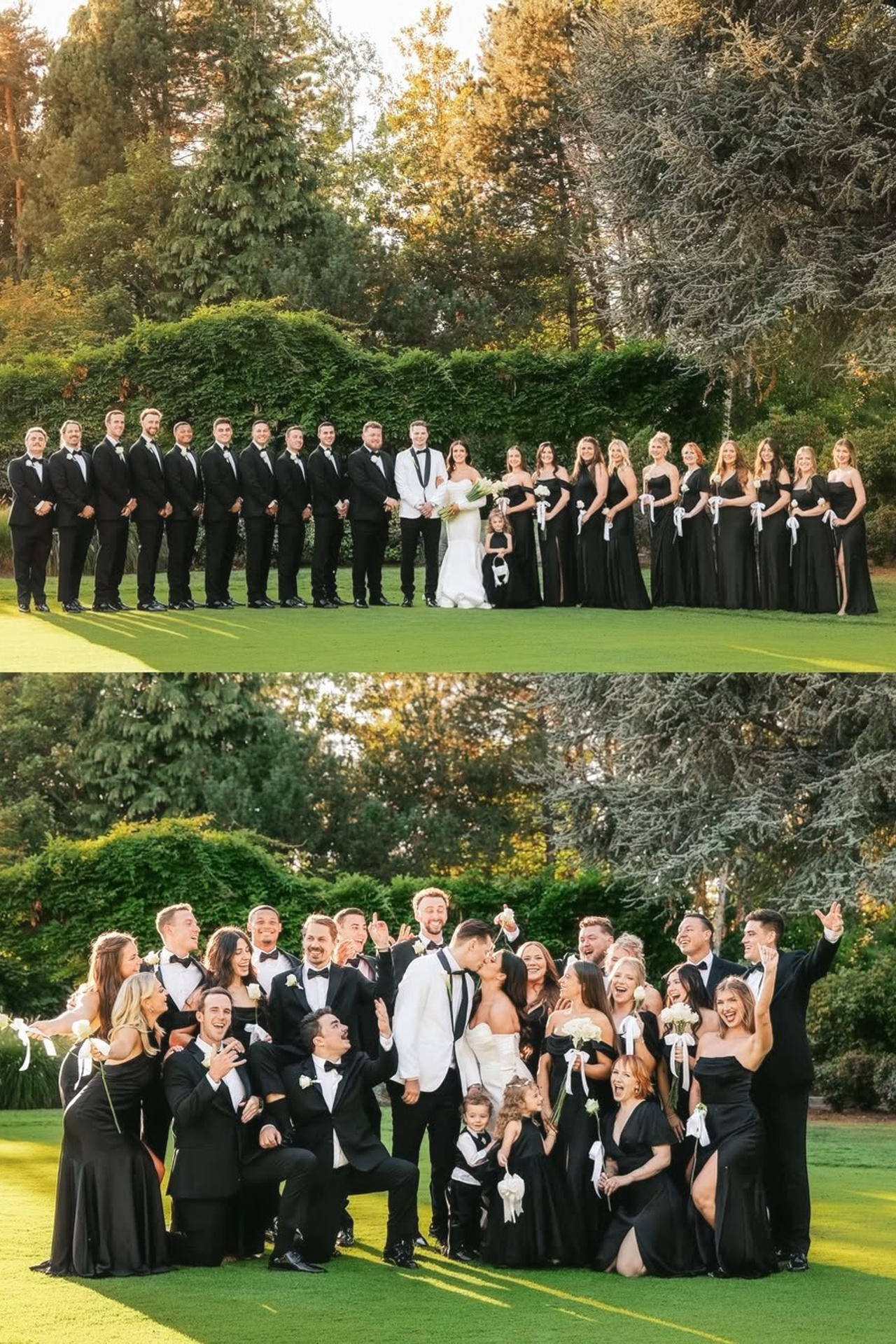
COLUMBIA EDGEWATER COUNTRY CLUB WEDDING IN PORTLAND, OREGON
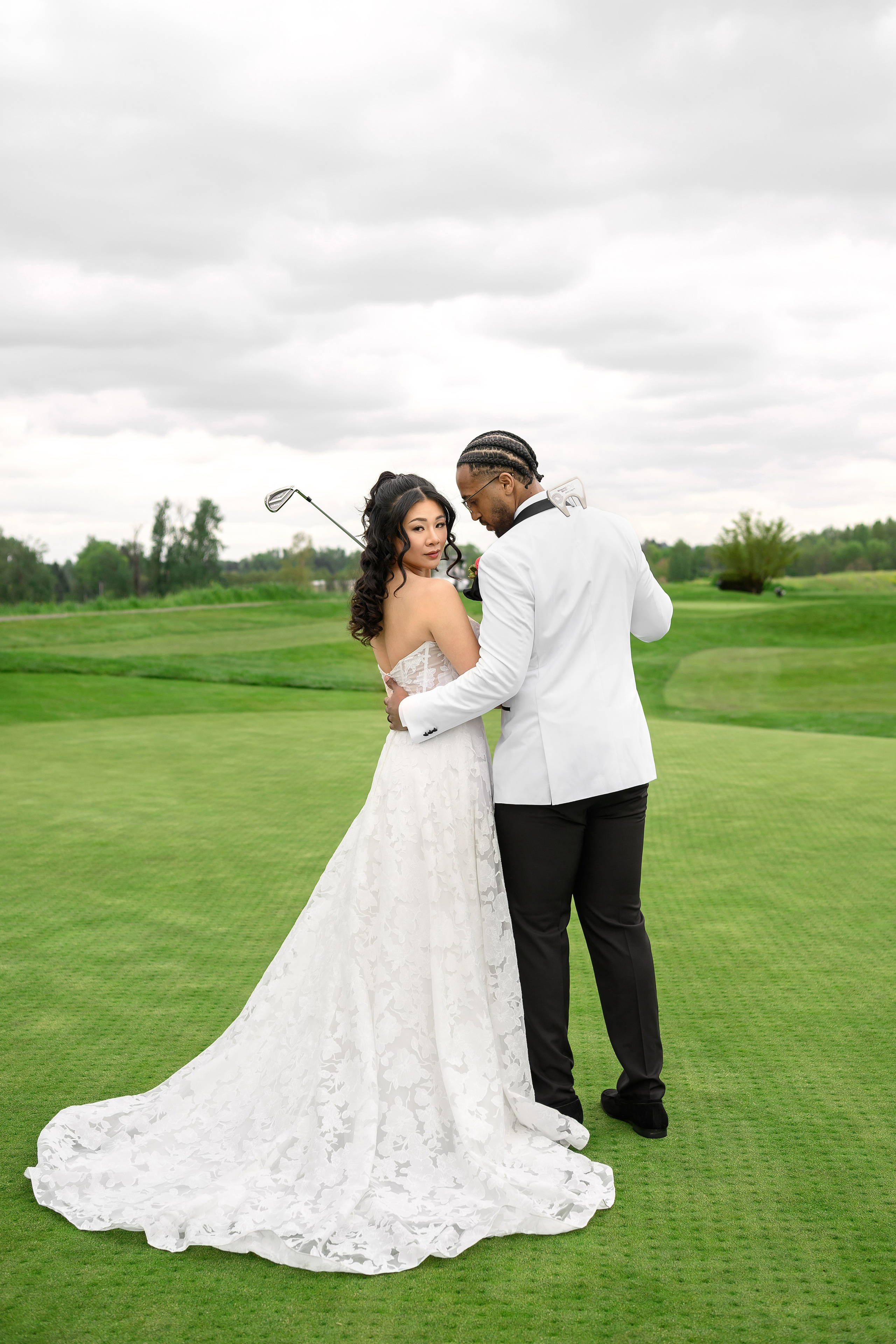
WEDDING PHOTOGRAPHER FAQ: WHAT COUPLES SHOULD KNOW BEFORE BOOKING
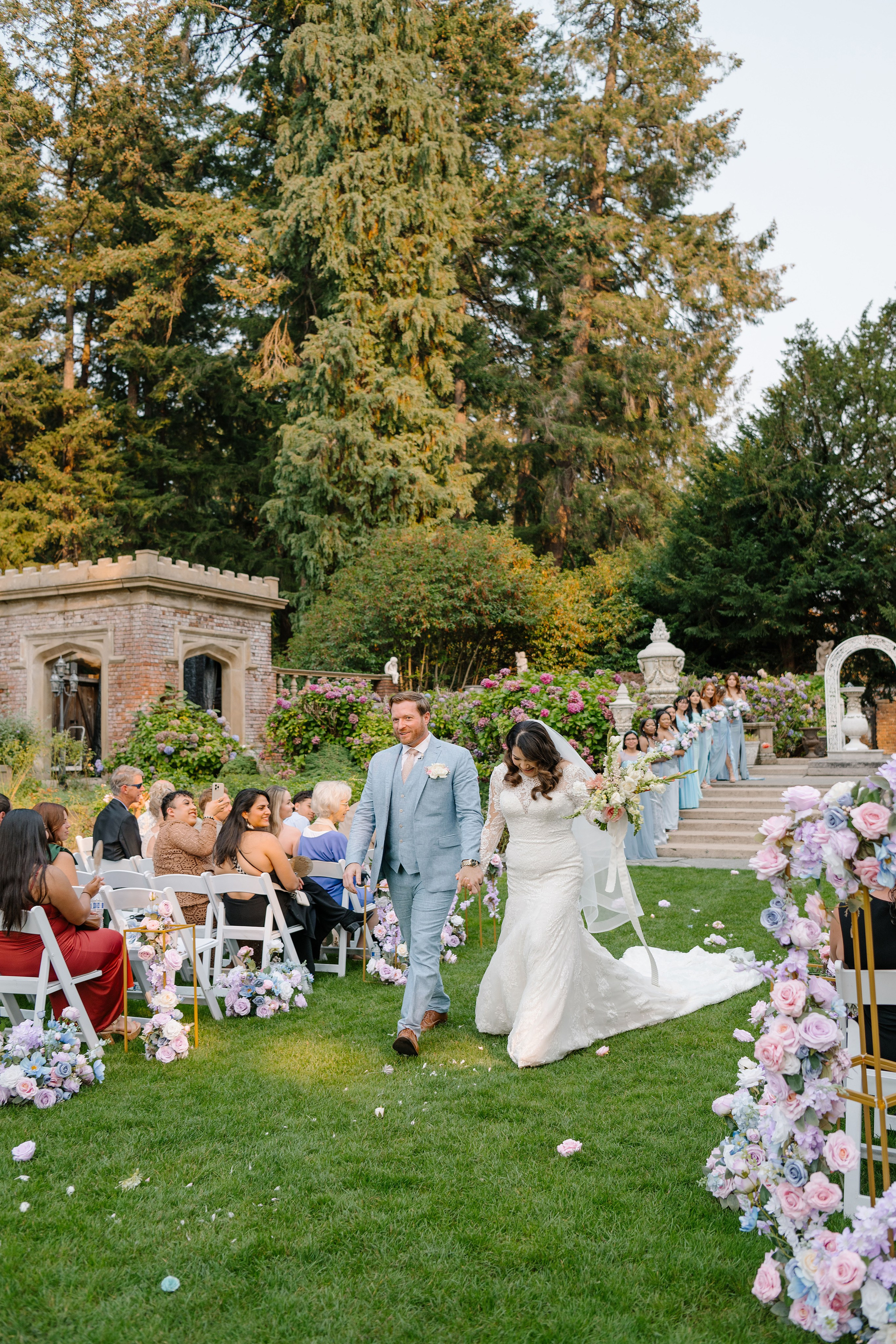
THORNEWOOD CASTLE WEDDING IN LAKEWOOD, WASHINGTON
WEDDING PHOTOGRAPHY TIMELINE GUIDE